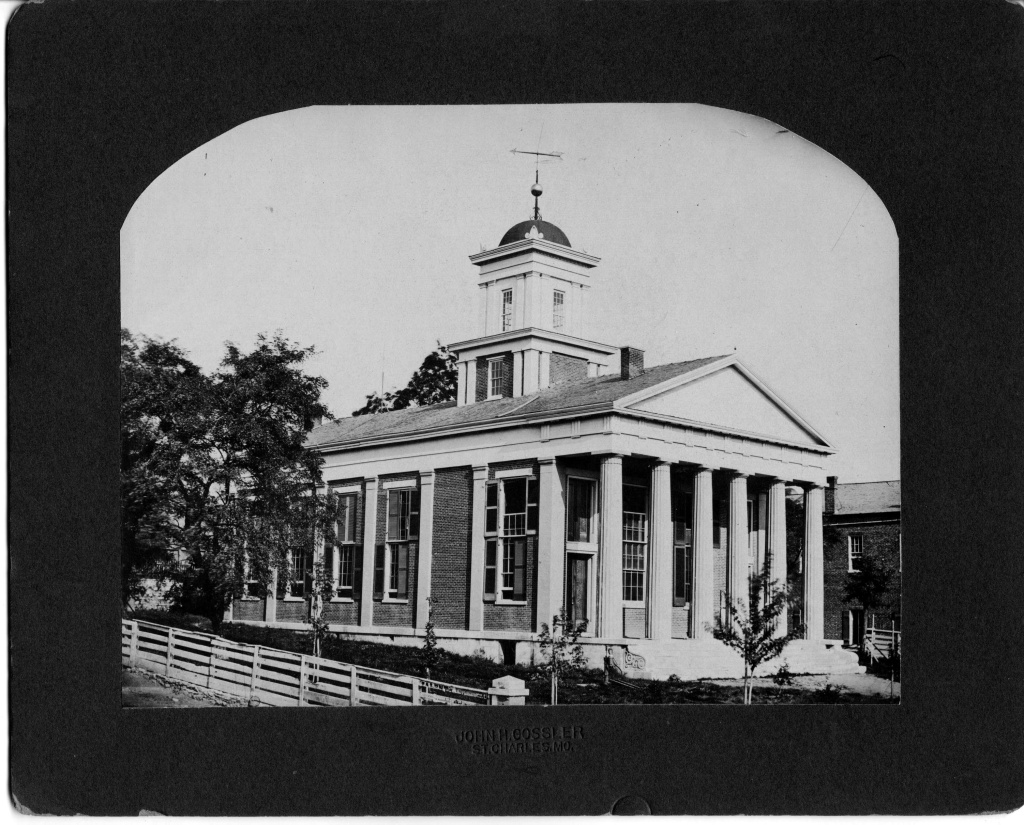
Welcome to a journey into the history of St. Charles County, and where every story is an opportunity to learn more about its’ people, the places and their stories. The only limit is the time you have to spend exploring… If you would like to talk more… use the contact form provided below.
This blog is by historian and award-winning author Dorris Keeven-Franke and features stories of the people, places and events of St. Charles County history. History happens, and the stories written here feature the author’s forty years of writing for newspapers, books published, papers presented, archival experience and experience as a professional genealogist. In an attempt to make the stories useful to readers of all ages, from 1-100, the search functions below allows the reader to find their area of interest or you can research by using the categories list below. Each day’s blog is shown at the bottom, so feel free to simply browse the stories, each are about 5-10 minutes of reading.
If you would like to subscribe you will receive an email to notify you of each new post. There is no cost, or membership, and the email addresses are not shared with any other entity. All posts are copyright of the author, and it is asked that you use our URL and cite it as your source when sharing any of the stories you find here. Links are provided when appropriate and encourage you to cite them as well. You can also join our discussions on our Facebook Group
To search this blog you can either enter a search word below…
Or choose a category from the Category list below to see all posts…
- 1821 (2)
- 1829 (11)
- African American History (18)
- Announcement (4)
- Boone's Lick Road (7)
- City (1)
- Civil War (1)
- Editorial (3)
- emigration (1)
- Events (4)
- Family History (1)
- German (1)
- history (6)
- House History (1)
- immigration (1)
- Missouri (2)
- Native Americans (4)
- O'Fallon (1)
- People (21)
- Places (24)
- Settlement (2)
- slavery (3)
- St. Charles (2)
- St. Charles County (3)
- Territorial (10)
- Town (1)
- Village (1)
To Contact the author, please use the form below. Please note that emails may not be responded to immediately as this is not monitored 24/7, but will be responded to as soon as possible.
Your message has been sent

ALL PREVIOUS POSTS (SCROLL DOWN)
Celebrating 250 years – Our Role in History
The entire United States is about to celebrate our Nation’s 250th Anniversary. And we are part of that history. The earliest settlement north of the Missouri River and west of the Mississippi River, was a tiny village that became known as Saint Charles. Founded on the banks of the Missouri River, amongst the Osage, was…

August 31st
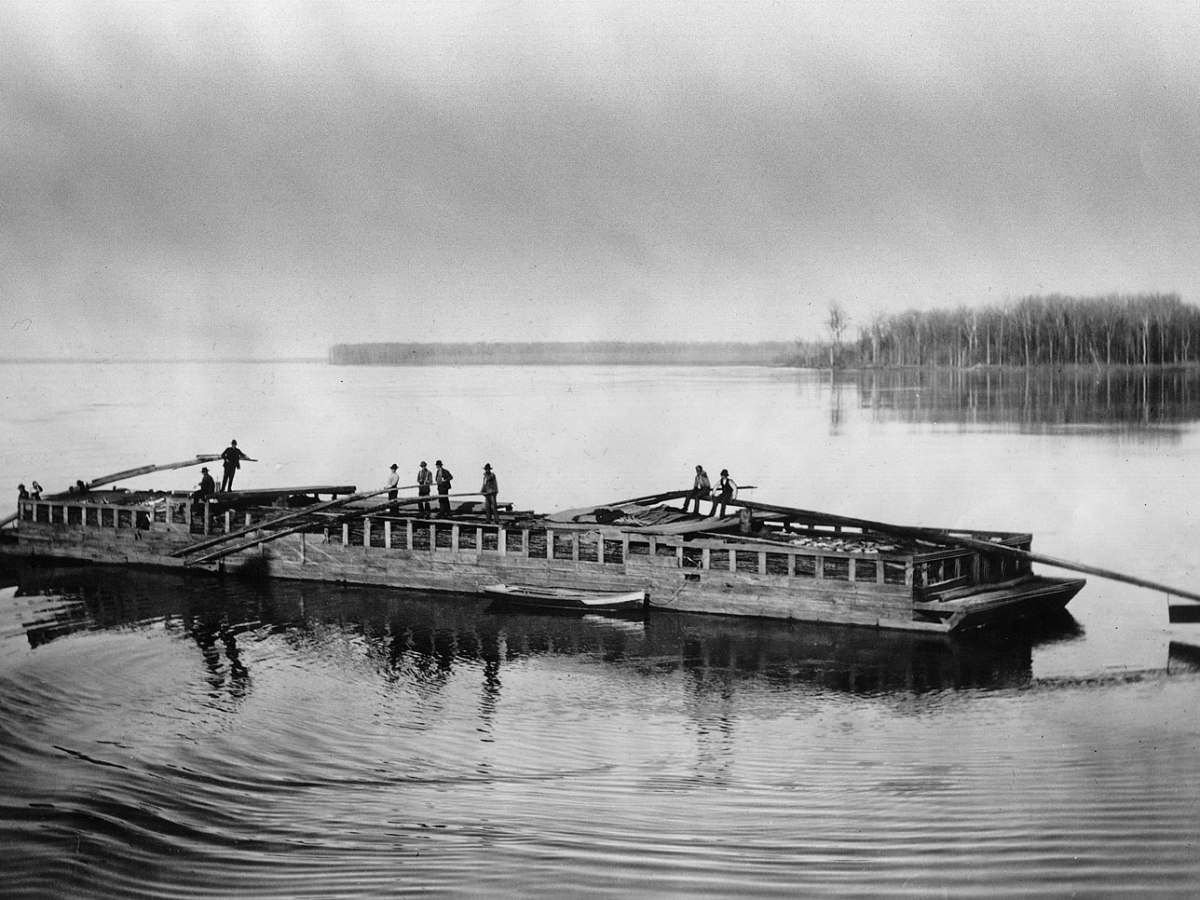
Campbell is still waiting for the heavy wagons to catch up to him. The household goods will be loaded on a flat bottomed Keelboat to be shipped up river. The whole caravan can then move faster.
August 30th
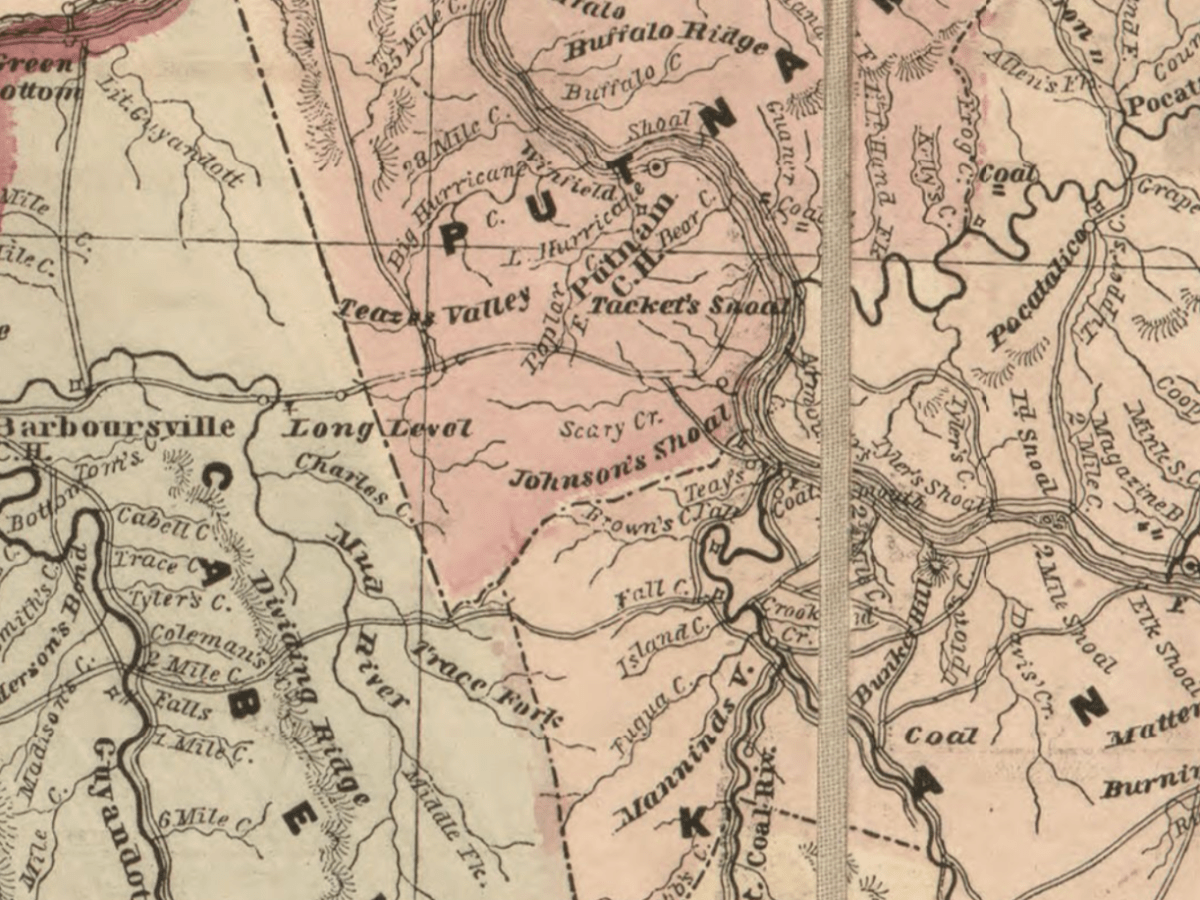
Campbell is still waiting for all of the wagons of McCluer and Alexander families to catch up with him in Charleston.
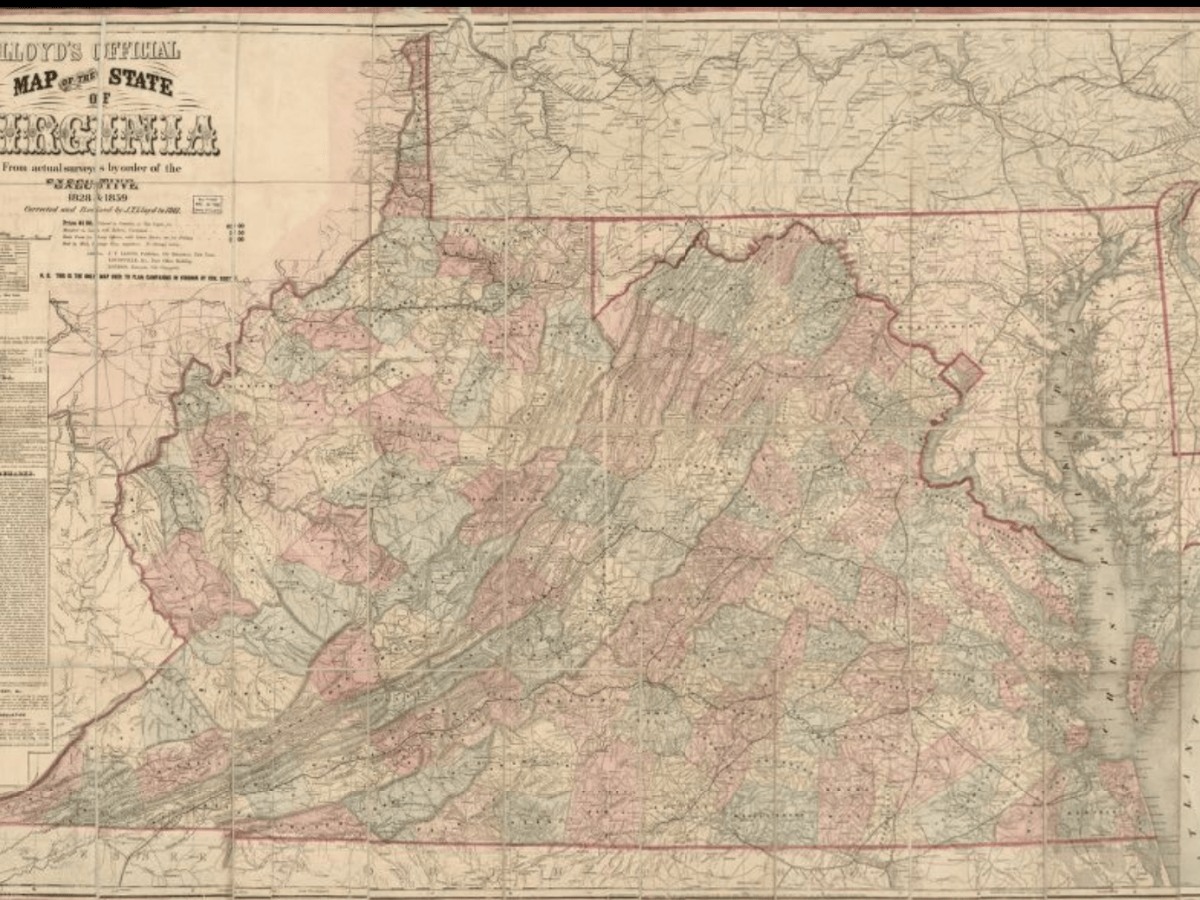
August 29th
We waited patiently for the arrival of our wagons… this is Virginia still, not yet West Virginia…

August 27th
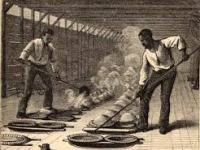
Ten miles of the valley are called “the Licks” from their being covered with salt works. There are sixty furnaces which manufacture 2,000,000 bushels of salt annually.* The manufacturing of salt would be much more extensive if it were not entirely monopolized by a company. It will someday be a place of much more importance.…
August 26th
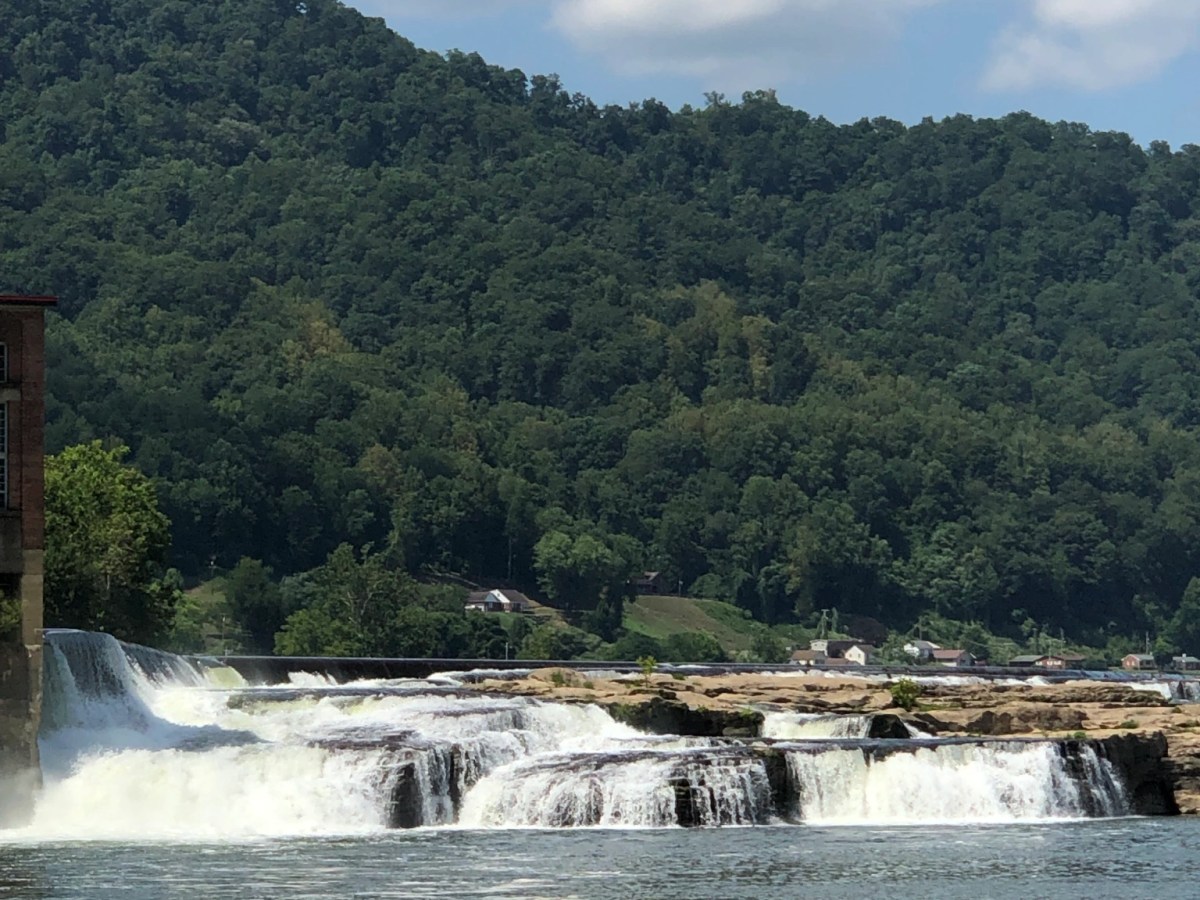
Two miles below the bridge we passed the great falls of Kenewha*, a great natural curiousity, an admirable site for water works. A great quantity of timber is sawed here and several hundred large flat boats are built here for the purpose of taking salt down the Ohio.
August 25, 1829
William Campbell is a young 23 year-old-single man who has set out from Virginia to Missouri. All along these, numerous houses have been built for the purpose fo keeping entertainment. Many of them good houses.
August 24, 1829
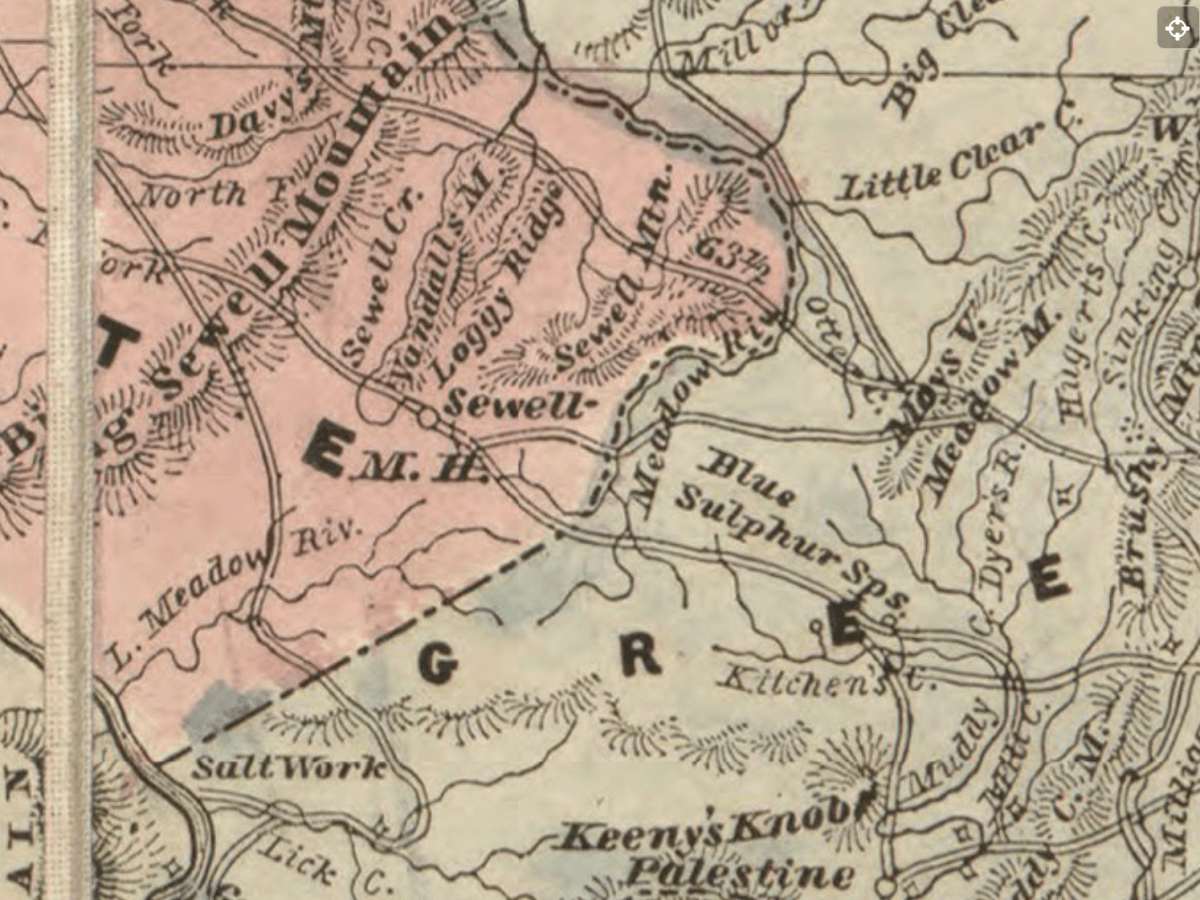
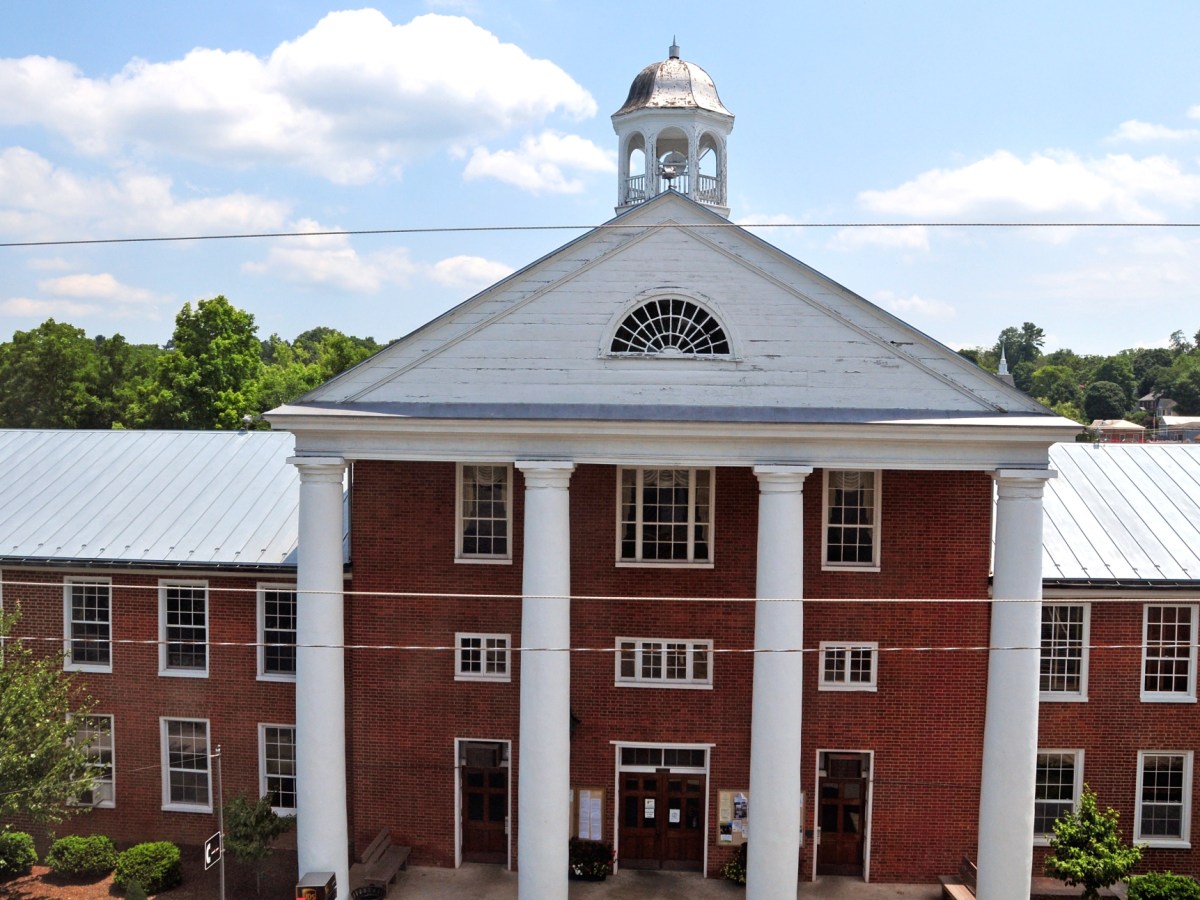
Staid in Lewisburg until evening. It was a quarterly court and a day of great resort in Lewisburg. Started in the evening and came to Pierce’s [Pierie’s] ten miles over the Muddy Creek Mountain. Fared well.
August 23, 1829
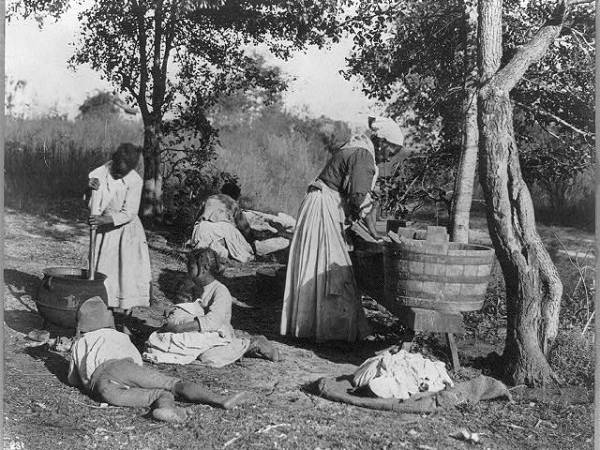
Came to Callahan’s for breakfast. A fine Tavern stand. Finely kept by the owner who is much a gentleman. We now commenced traveling on the turnpike. The road is very excellent considering the mountainous regions through which it passes – crosses the Alleghany. Passed the White Sulpher Springs where there were two hundred visitors.
AUGUST 22, 1829
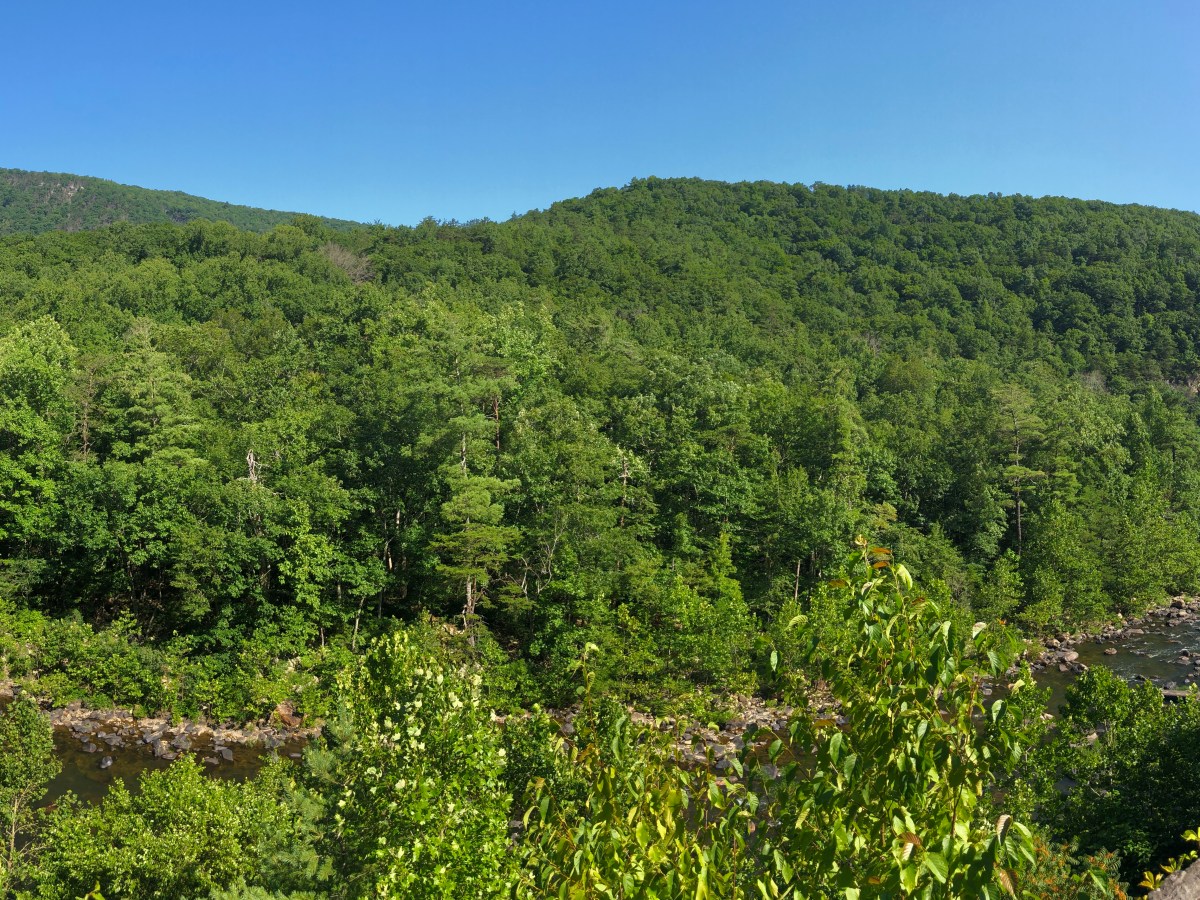
On August 22, 1829 William Campbell wrote in his journal: Made an early start, crossed the Warm Spring Mountain, lately improved by turn piking.
Documentary Premiere
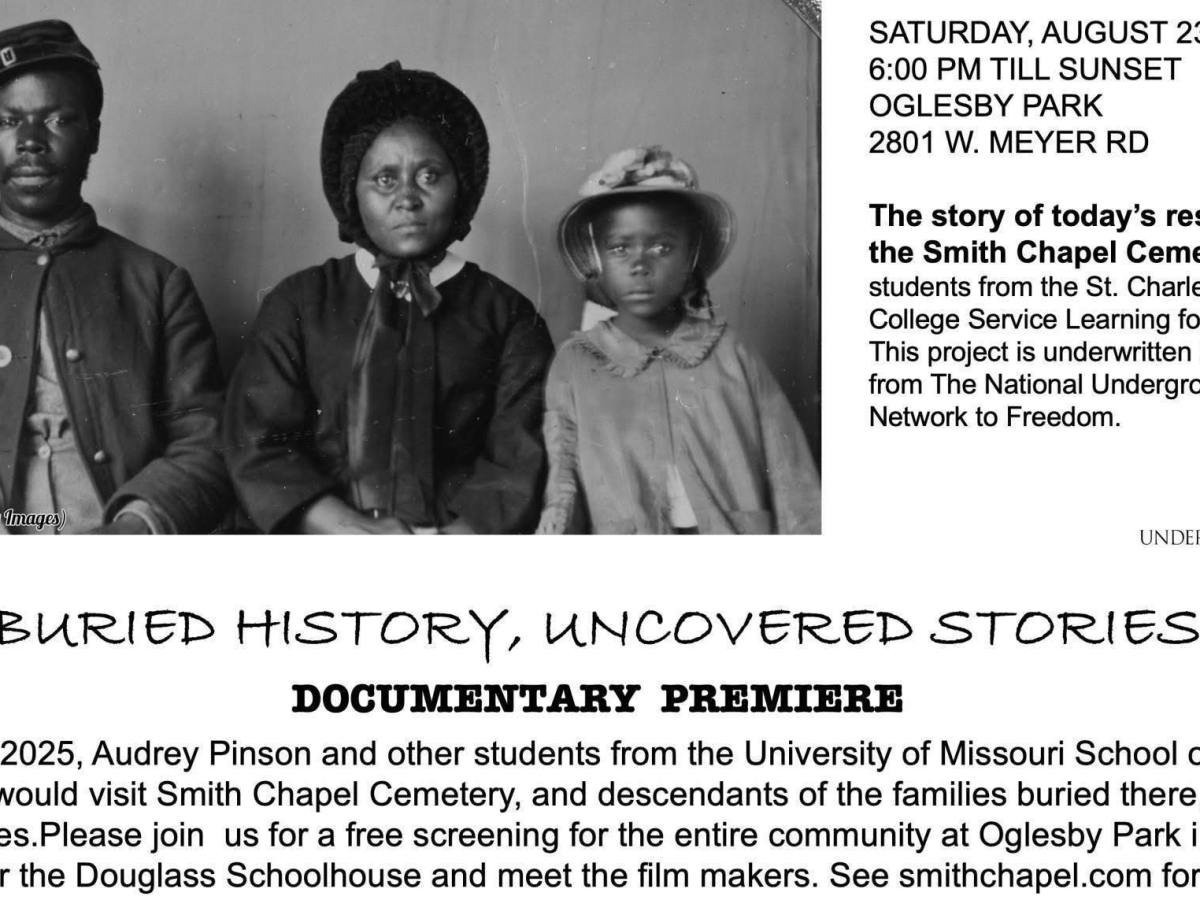
This film follows a determined group of community leaders and students working to keep history alive at Smith Chapel Cemetery in Foristell, MO: a site founded in 1871 by nine formerly enslaved individuals fighting to build a future for their families. It will be shown Saturday August 23rd in Ogelsby Park with a program beginning…
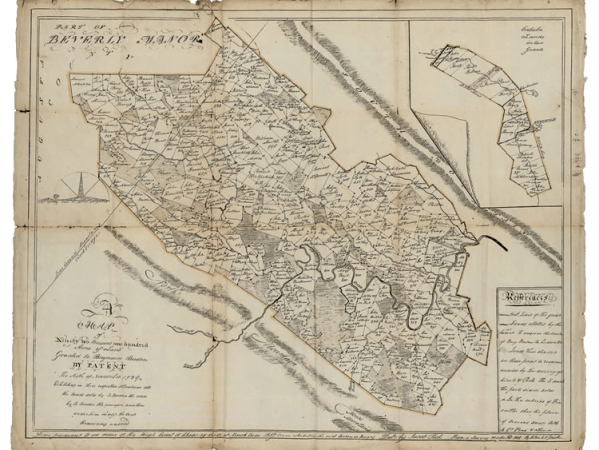
AUGUST 21, 1829
And so begins the journal of William Campbell from Lexington, Virginia to Dardenne Township in St. Charles County Missouri. Begun in August of 1829,

Exploring New Beginnings: Virginia to Missouri
I bid adieu to numerous friends and acquaintances, all of whom professes to wish me well. Many of them sincerely, some of them from the bottom of their hearts, some deceitfully and others with indifference. I parted from many whom I respected and esteem highly. I left a numerous tribe of relatives and many old…
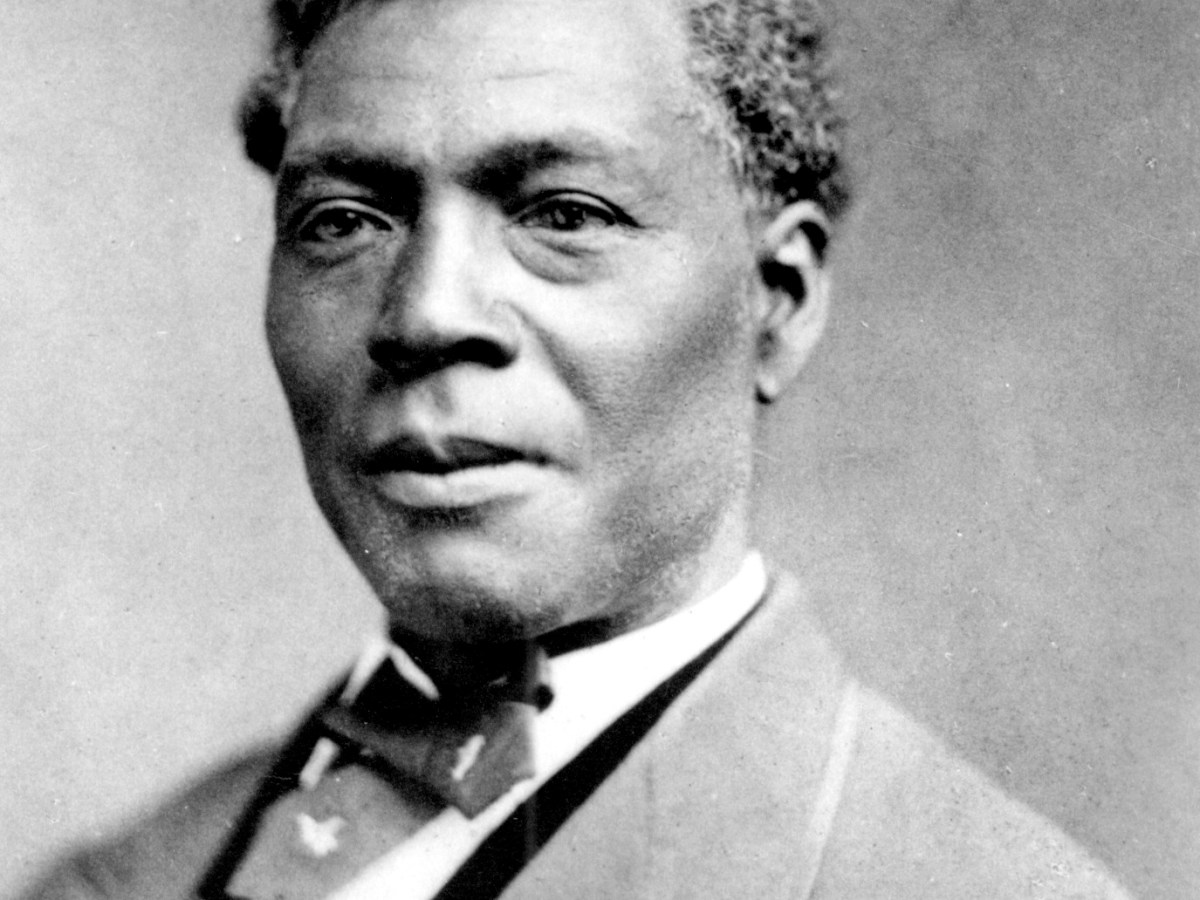
Poised on the brink…
By the end of the 1820s, St. Charles County’s population had grown to 4,320 white Americans living here, primarily from the states of Virginia, Kentucky and Tennessee. They had brought their enslaved with them, amounting to a total of 476 males, and 475 females for a total of 951 people, approximately 18% of the total…
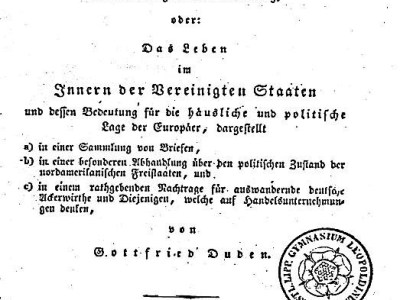
Gottfried Duden
He would spend three years here visiting with Nathan Boone, Jacob Zumwalt, and others, observing the life of those who had already uprooted their families and headed west. They had a reason to head to this new territory….
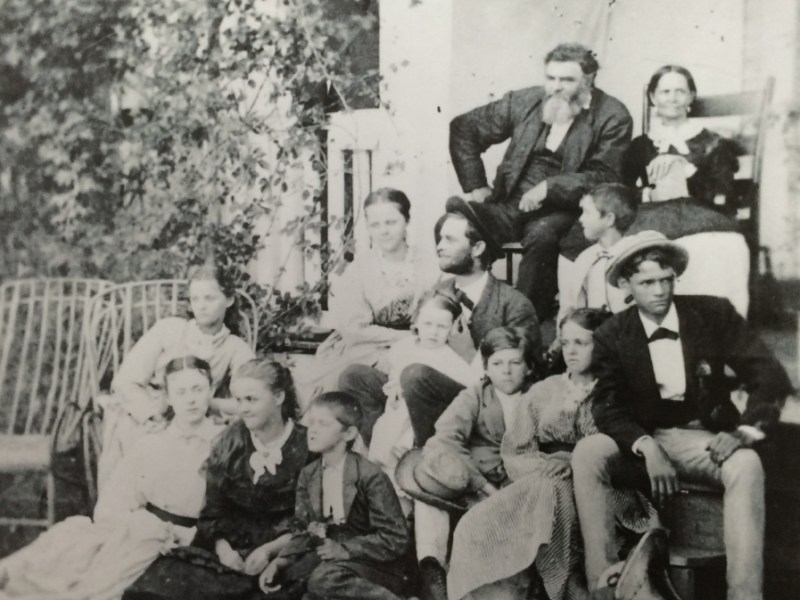
The Bates Family
From the Twin Chimneys Elementary which was built in 1993: Most of the Winghaven Development is located on what was the Bates’ property. Even now, if you superimpose the 1800’s property map over present day satellite images, they are still eerily similar. The part of the Twin Chimneys subdivision, Little Oaks, is where the original…
Settlement begins
This was a difficult time, as we were just a Territory, and with little representation in D.C., and thoughts of Statehood were beginning. The demographics were changing as well, as the fur traders were giving way to those coming from the states of Virginia, Kentucky, and Tennessee buying up huge swaths of cheap land and…
The Treaty of Peace and Friendship
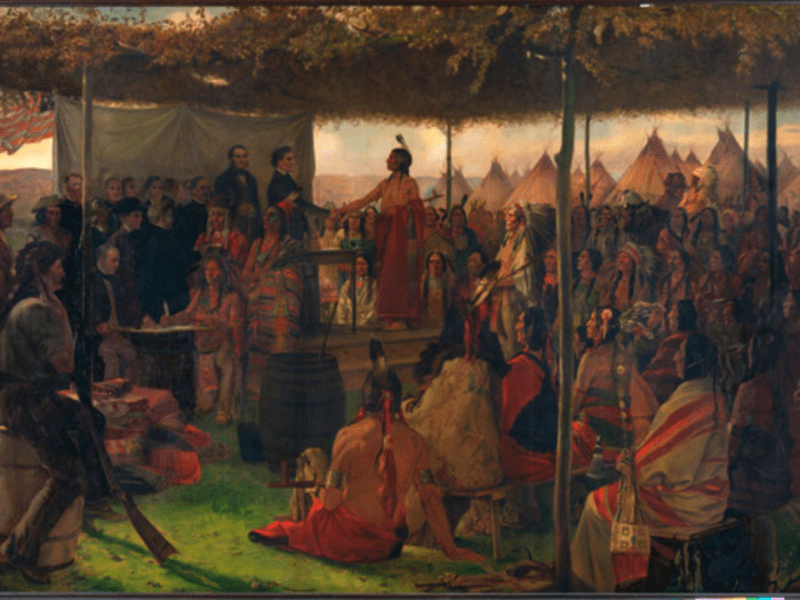
Eleven chiefs of the Big Osage, one Arkansas Osage chief, eleven Little Osage chiefs and one chief of the Missourias attached to the Little Osage signed the peace treaty on September 12, 1815. On September 15, 2015, the Commemoration of the Peace and Friendship Treaties took place at the same location as the original…

Boone & Sibley at Fort Osage
William Clark and Nathan Boone’s overland march of mounted dragoons from St. Charles, followed what later became the Boone’s Lick Trail
The Osage Nation
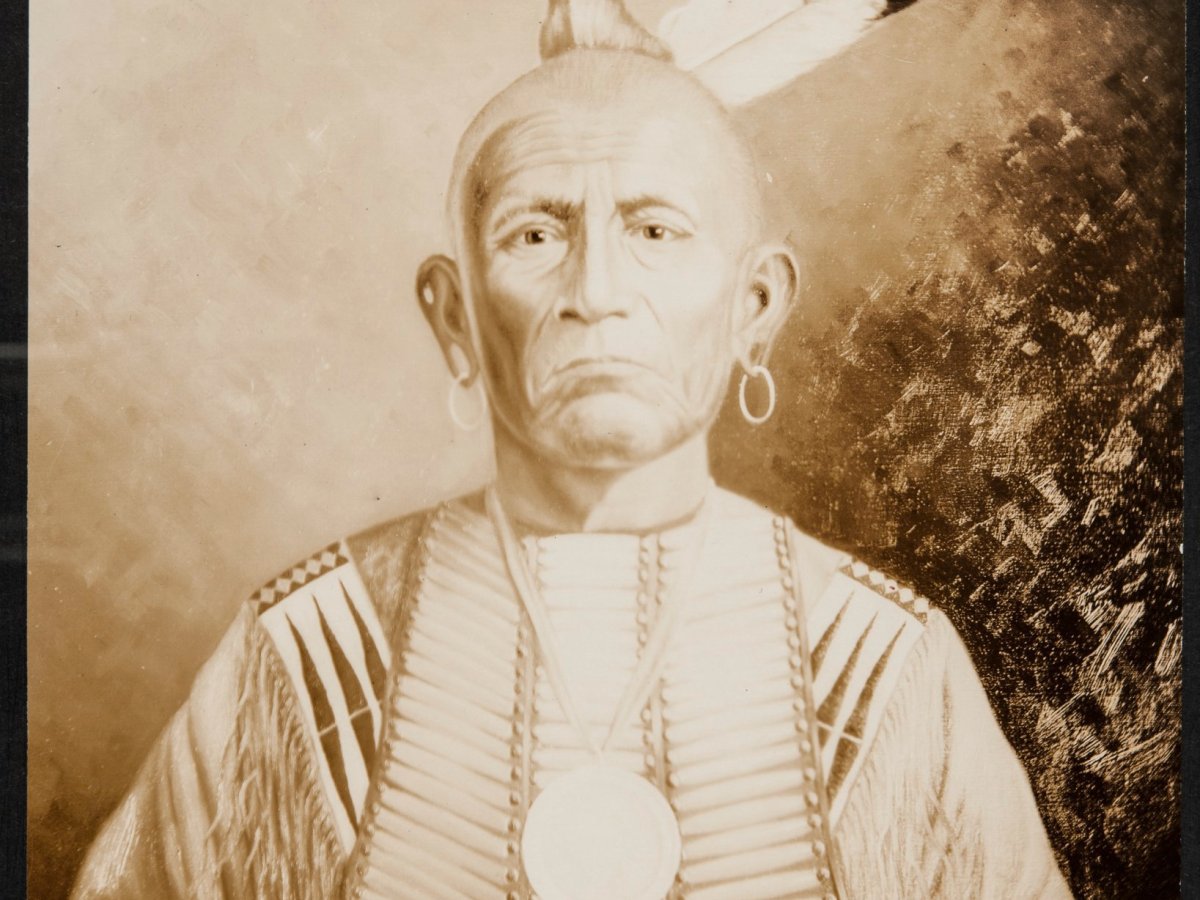
In 1803, the 6,000 strong Osage Nation was the largest, most powerful Native American nation immediately west of the Mississippi River.
BURIED HISTORY, UNCOVERED STORIES
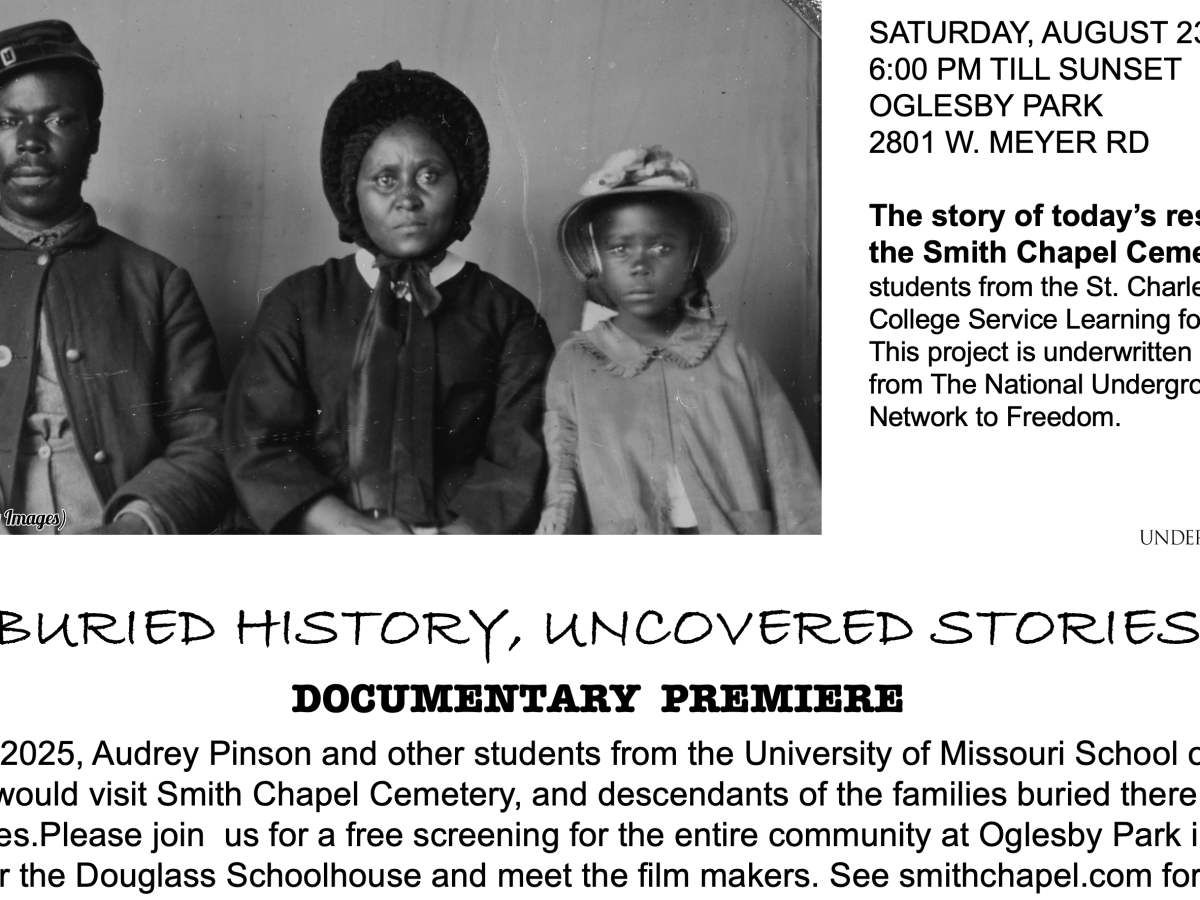
In February of 2025, Audrey Pinson and other students from the University of Missouri Columbia – School of Journalism, contacted those working on this project and began work on a documentary about the Smith Chapel Cemetery. The public is invited to the Premiere showing of this documentary on August 23, 2025 at 6:00pm where the…
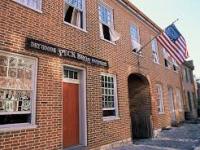
August 10,1821
Now, therefore, I, James Monroe, President of the United States, in pursuance of the resolution of Congress aforesaid, have issued this my proclamation, announcing the fact that the said State of Missouri has assented to the fundamental condition required by the resolution of Congress aforesaid, whereupon the admission of the said State of Missouri into…
CALLAWAY’S DEFEAT
Here on the frontier, Daniel Boone’s grandson James Callaway, had taken command of Nathan Boone’s company of Rangers at Fort Clemson on Loutre Island … Read more
THE WAR OF 1812
“We have made our homes here and all we have is here, and it would ruin us to leave now. We be all good Americans, not a Tory or one of his pups among us, and we have 200 men and boys that will fight to the last and have 100 women and girls that…
THE ST. CHARLES TERRITORY IN 1812
Settlement was sparse, and in clusters. Attacks by the Sauk, Fox, Potowatomis and Iowa increased. They stole horses from the settlers and murdered four members of Stephen Cole’s party when they set out to retrieve them. St. Charles was incorporated in 1809, and by1810 the population of the Territory would reach 20,845 with just over…
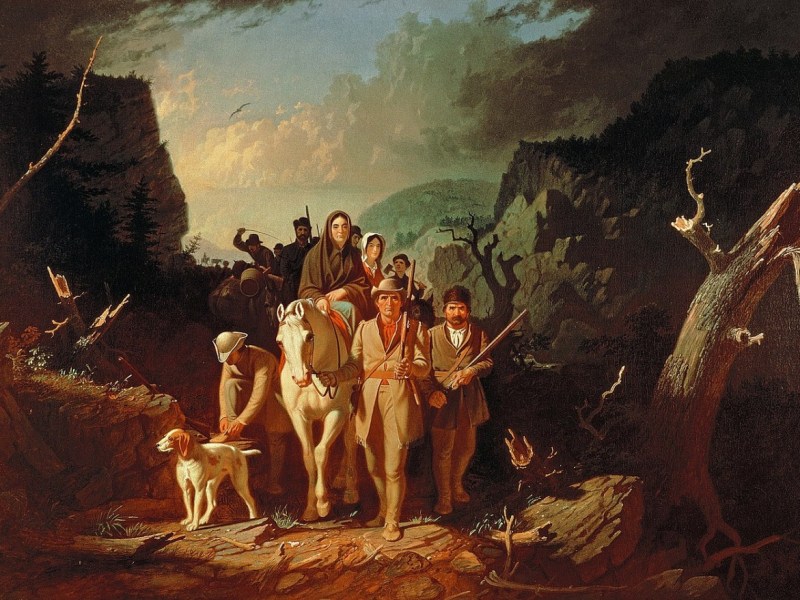
ST. CHARLES PREPARES FOR WAR
Governor Howard sent orders to Col. Kibby, who commanded the St. Charles Militia to call out the portion of the men he had held in reserve, to march at a moments notice.” These troops were waiting for just such a moment.

ST. CHARLES TERRITORY IN 1808
The treaty with the Osage…There General William Clark began to negotiate a Treaty with the Osage, which would cede nearly 200 square miles of land between the Missouri and Arkansas River to the United States. Soon it was renegotiated, and on November 10th a Treaty negotiated by Auguste Choteau added “all claims to land north…
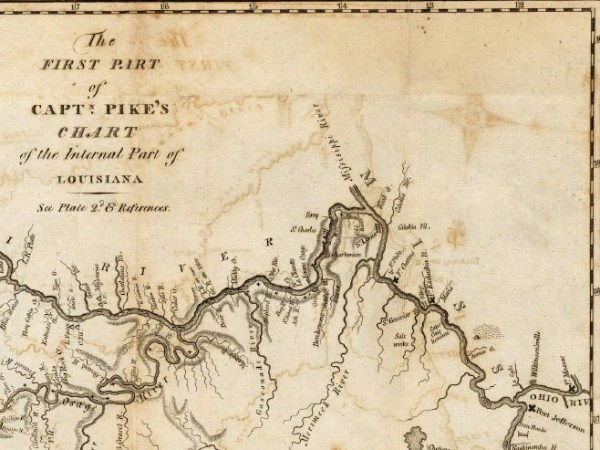
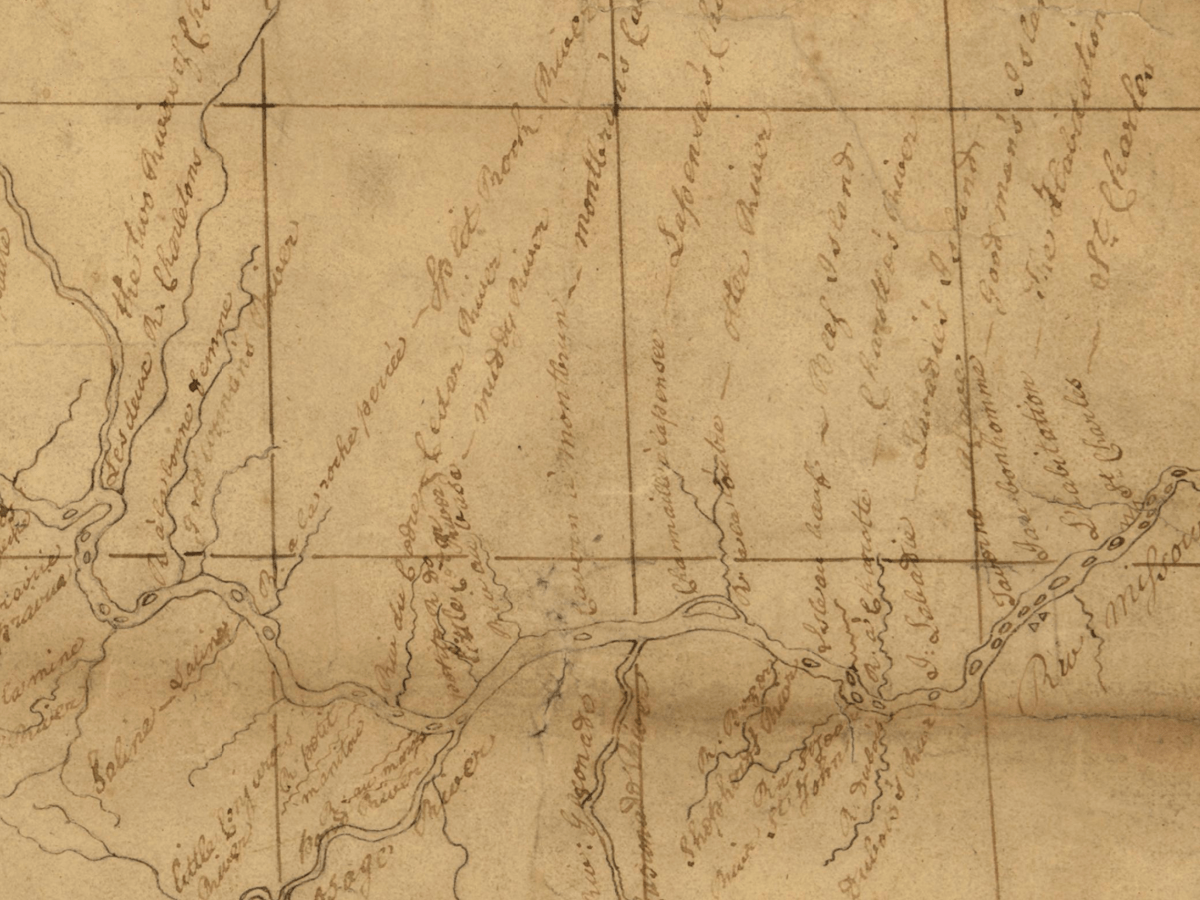
Saint Charles in 1804
a number of the Inhabitants had assembled to see us set off we fired our Swivel, from the Bow of our boat; and gave them three Cheers, which they returned;
The Little Hills
“it is terminated by a range of small hills, hence the appellation of petit Cote, a name by which this vilage is better known”
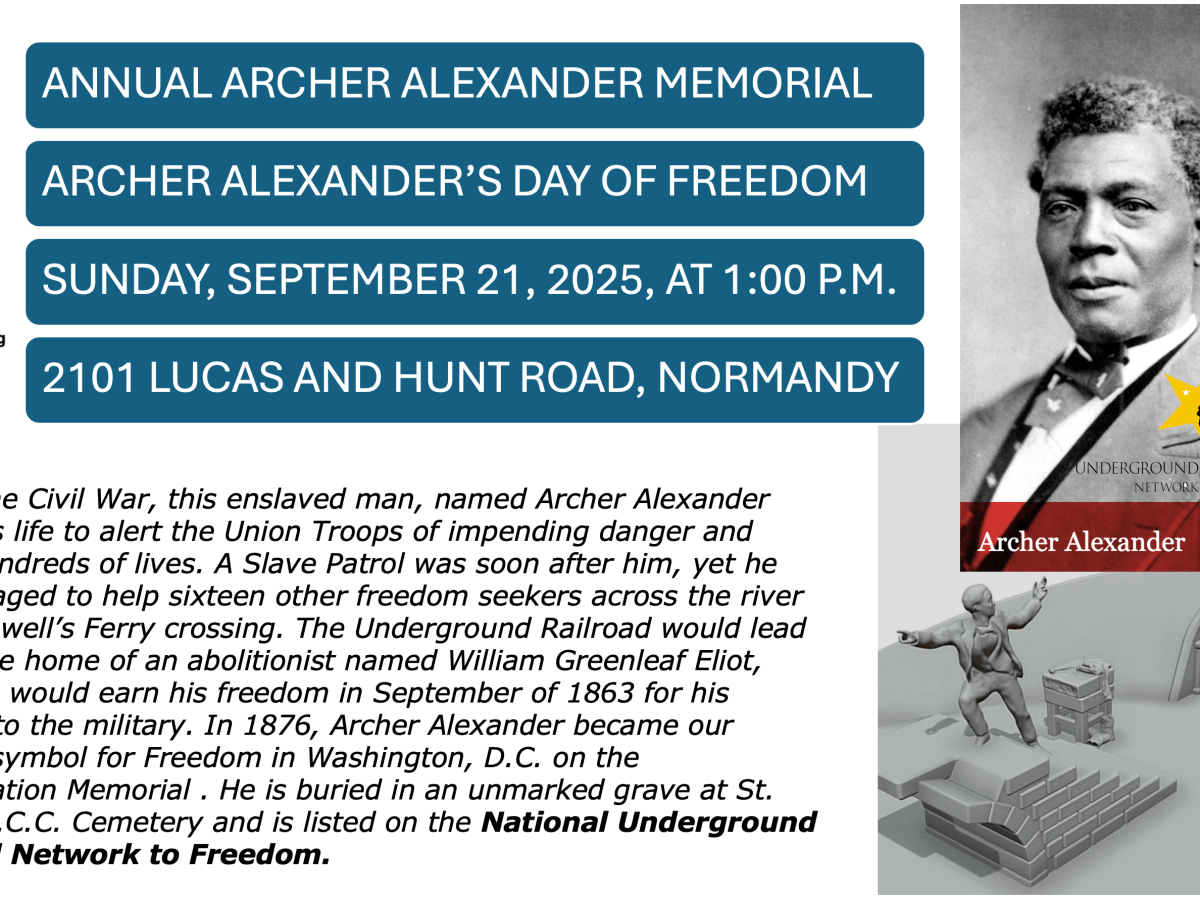
FREEDOM DAY CELEBRATION
An event celebrating the life of an enslaved St. Charles County man who became our nation’s symbol for freedom…. see more

Sage Chapel Cemetery to receive plaque
In the early 1800s, Samuel Keithly (1789-1870) came from Kentucky, and settled in St. Charles County, bringing his slaves. The father of a large family with seven children, several step-children, and many grandchildren, the family had other members who owned slaves as well. By the 1840s, the family owned hundreds of acres of land, and…
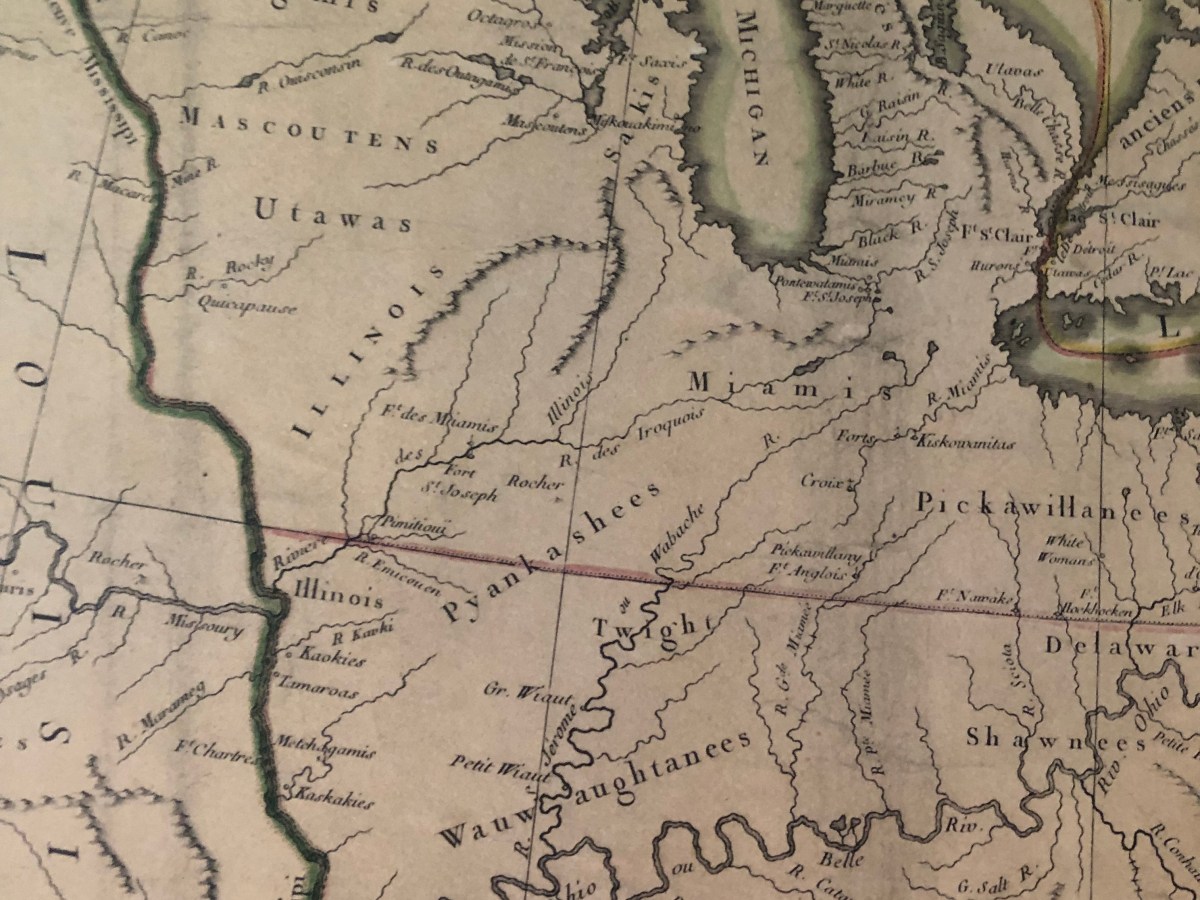
LOOKING BACK
This land that we call St. Charles County now, has been home to many people and many cultures in the past 250 years. “The farther back you can look, the farther forward you are likely to see.”
BURIED HISTORY, UNCOVERED STORIES PREMIERE
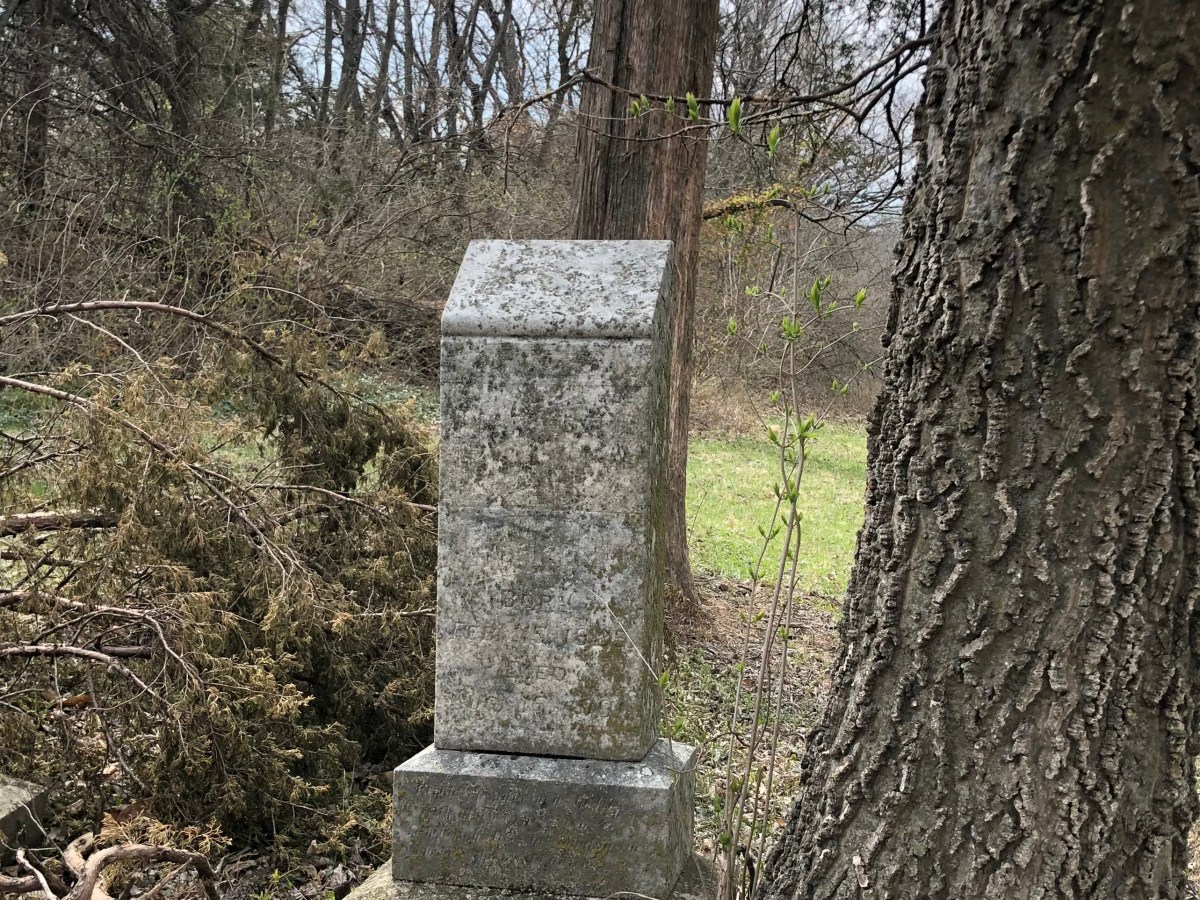
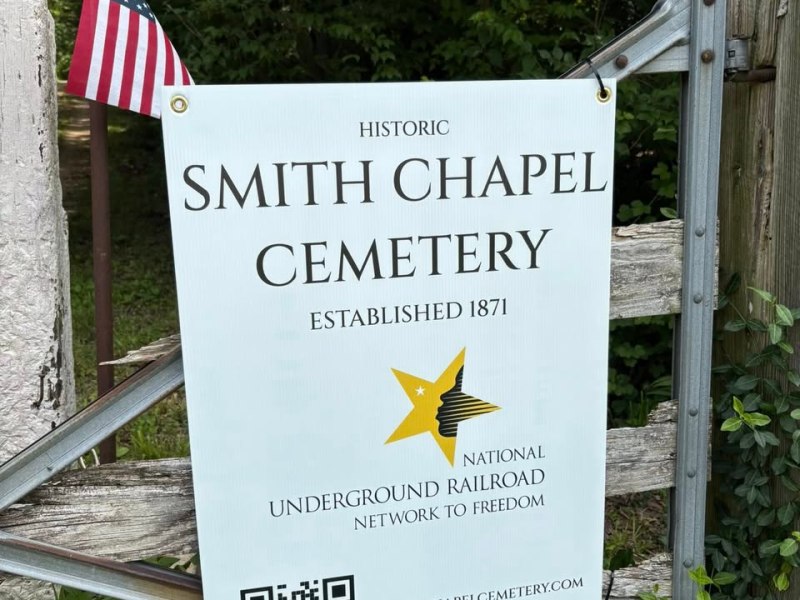
In 2023, a small one-acre plot of land called Smith Chapel Cemetery was recognized by the National Park Service’s Program, the NATIONAL UNDERGROUND RAILROAD NETWORK TO FREEDOM, due to the resilience and courage of three enslaved men who were seeking their freedom using the Underground Railroad. In the winter of 1864, at the height of…
Freedom Seeker Benjamin Oglesby
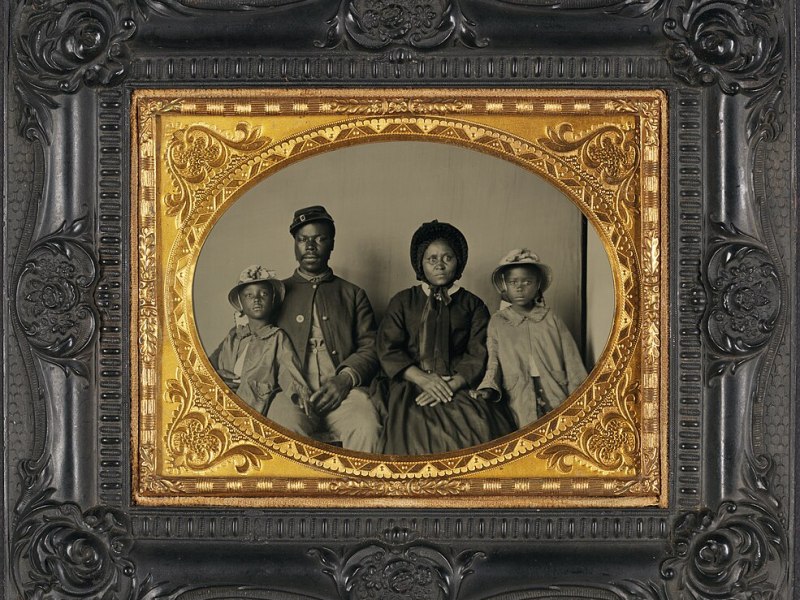
Many of St. Charles County’s enslaved men would resist enslavement and risk everything to enlist in the U.S. Colored Troops. Leaving families behind, they used the network to freedom known as the Underground Railroad to enlist in the U.S Colored Troops during the Civil War. One man named Benjamin Oglesby was born in Bedford, Virginia…
Gone a soldiering…
Benjamin Oglesby was only one of the thousands of enslaved men who joined the U.S. Colored Troops from St. Charles County.
Historic Smith Chapel Cemetery
In 2023, the historic cemetery was listed on the National Park Service’s National Underground Railroad Network to Freedom because of the burial location of Smith Ball, Martin Boyd and Benjamin Oglesby, all freedom seekers that would flee their enslavers. They would return home after serving in the Union Army during the Civil War and purchase…
THE CHURCH AT SNOW HILL CALLED SMITH
On September 23, 1871, Benjamin Oglesby’s son-in-law Jackson Luckett, along with Nathaniel Abington, Austin “Oss” Pringle, his son-in-law Smith Ball, David Bird, Thomas McClean, Mark Robinson, Claiborne Richards, and Martin Boyd became Trustees for the newly established Smith Chapel African Methodist Episcopal Church
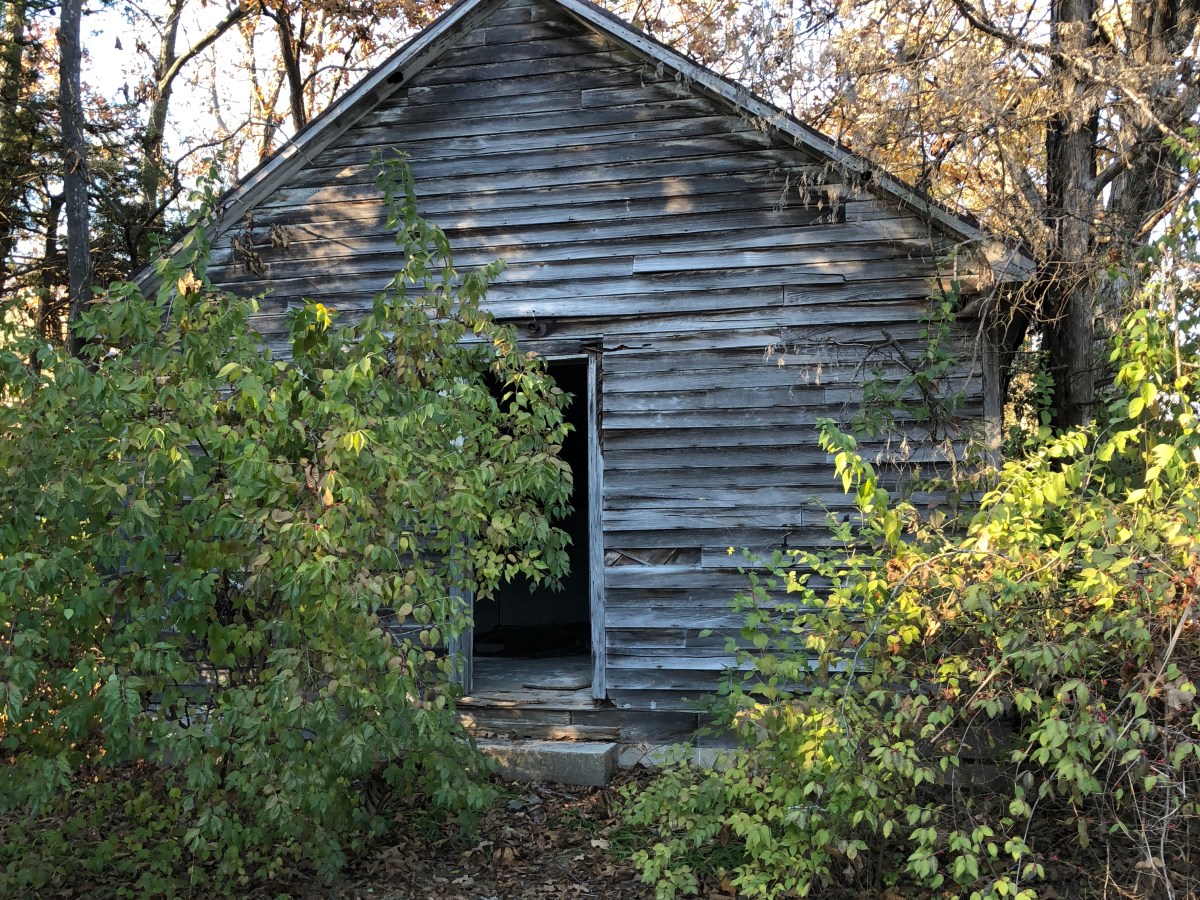
Douglass School
In 1871, one of the proudest moments for the Trustee’s of the Smith Chapel A.M.E. Church was to build a schoolhouse for their children, grandchildren and all future generations. This was a generation that it had been against the law written in 1847, for them to even learn how to read or write. They proudly…
Archer Alexander Memorial
Archer Alexander was the last fugitive slave captured in Missouri, and received his freedom on September 24, 1863, for his important services to the United States Military (Union) after informing them of a plot to destroy a local railroad bridge. He saved hundreds of lives, and a vital link conveying troops, funds and supplies for…

Smith Ball, a freedom seeker
Freedom seeker Smith Ball had fought at Fort Blakely in Alabama, The Battle of Blakeley was the final major battle of the Civil War, with surrender just hours after Grant had accepted the surrender of Lee at Appomatox in the afternoon of April 9, 1865.
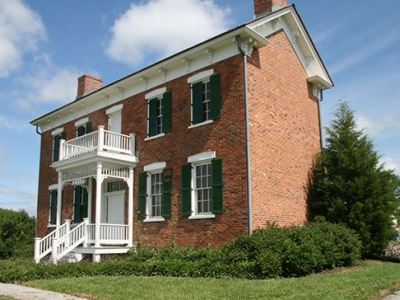
Freedom Seeker Martin Boyd
On October 31, 1864, freedom seeker Martin Boyd, born in 1826, left the 300-acre plantation of Alexander Boyd and tried to make his way to George Senden’s store on Main Street in St. Charles, only to make it as far as Peruque Creek Fort at the Missouri Railroad Bridge. There Capt. L.D. Jay would enlist…
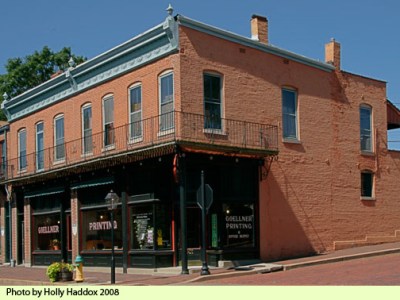
Elijah Lovejoy in St. Charles
It would only be a few weeks later though when Lovejoy was revisited by another angry mob on November 7, 1837, in Gilman’s Warehouse in Alton. There Elijah Lovejoy was shot and murdered while trying to save his press.
Sage Chapel Cemetery on the National Register
Please join us on Tuesday evening, August 5th, 2025 at 6 p.m. at the O’Fallon Historic Preservation Commission’s meeting in the O’Fallon Municipal Center (City Hall) at 100 Main Street. We will be presenting the Historic Preservation Commission of O’Fallon with a brass plaque that designates Sage Chapel Cemetery is a National Landmark.
THE UNDERGROUND RAILROAD IN ST. CHARLES COUNTY
“The Underground Railroad is one of the most remarkable stories in American history. This is a story of ordinary men and women coming together in harmony, united to pursue the extraordinary mission of helping those in their journey to freedom. This movement, which thrived from the late 18th century through the Civil War, was a testament to the…
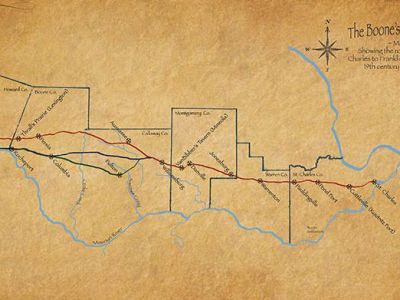
Pond Fort
The original trail used by the Boone family in 1804 to reach their salt lick in Howard County, had already been used by the buffalo and the Native Americans for years before that. The expansion of Americans into the area had disrupted the original residents, and forced Native Americans tribes in the east to crowd…
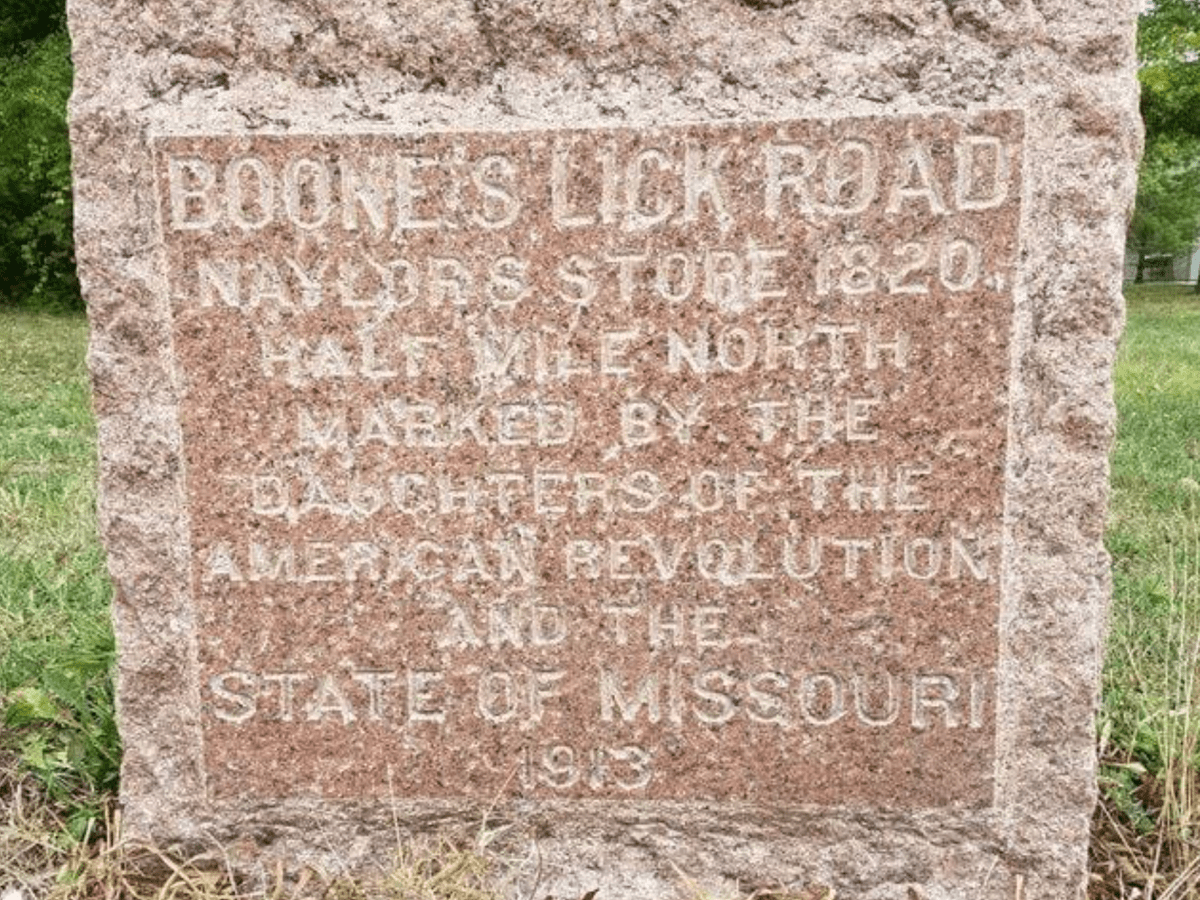
Dardenne Prairie
By 1821, Missouri had become a State, and St. Charles County had established “Dardenne” as a Township…up until 1980 they simply listed the Township as there was not an actual town incorporated by that name until 1983 or a City until 2001. Today it is one of the fastest growing areas in our county, having…
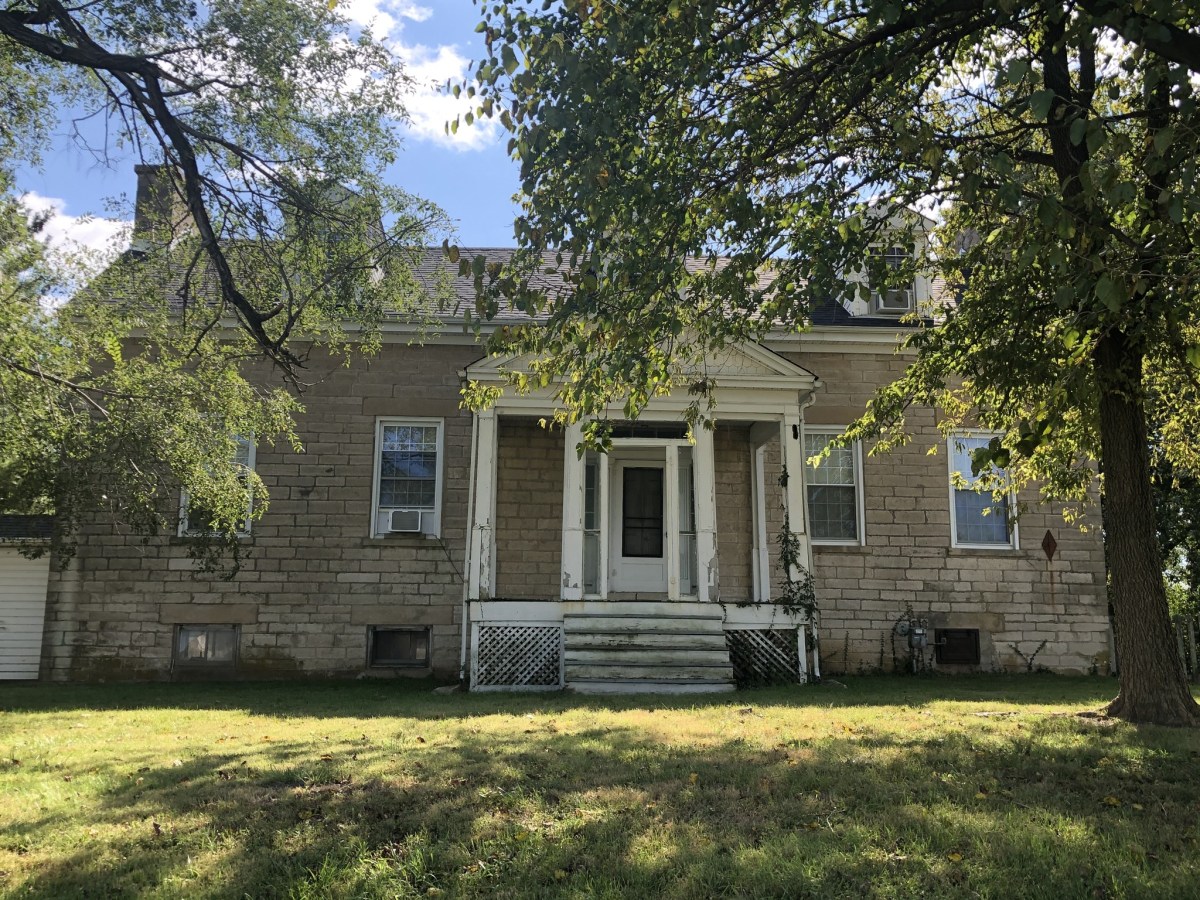
Captain Campbell’s Ice House
They had stored guns and ammunition in the ice house on the old Alexander place, which was now owned by Captain Campbell. Knowing what this meant, Archer would make his way to the Peruque Creek Fort manned by the Union Army’s Home Guards, to warn them.

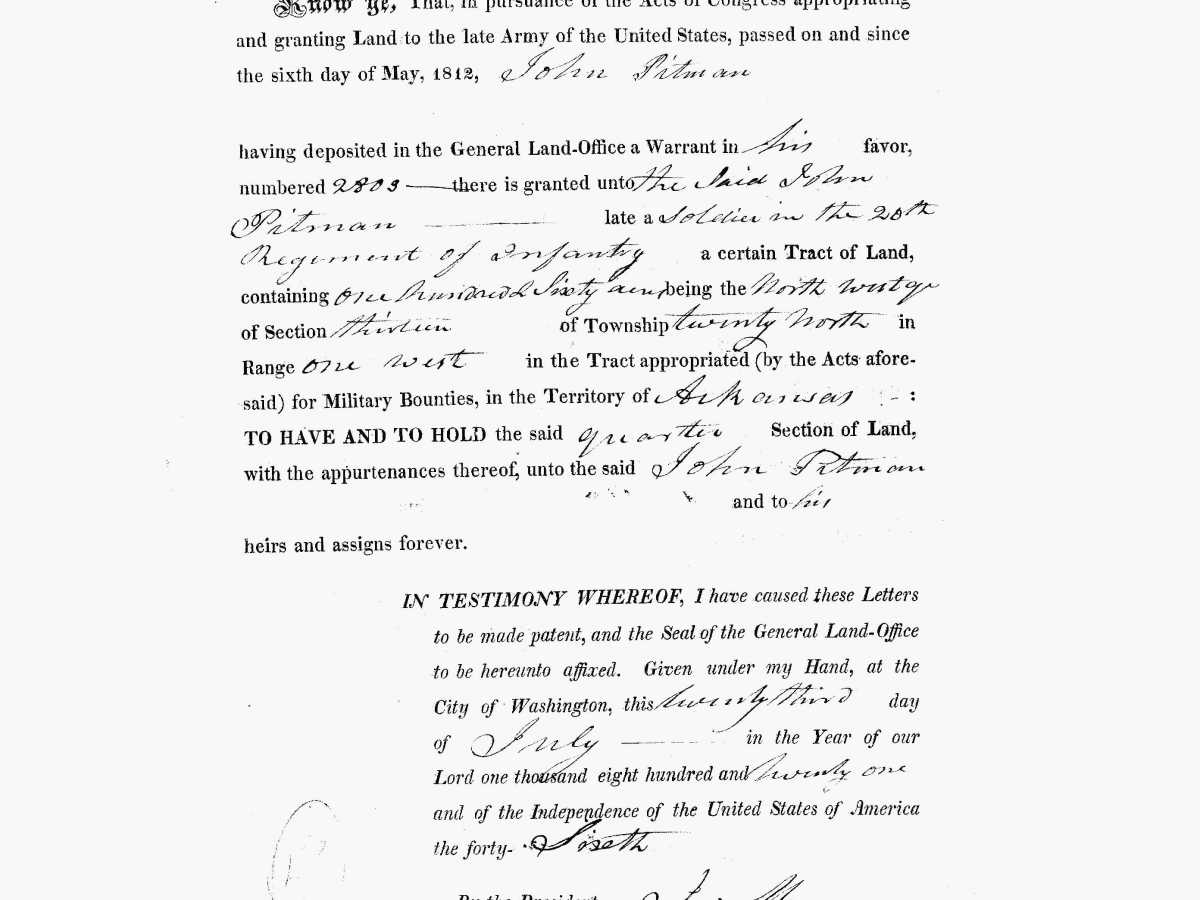
Pitman’s
On Cottleville’s Chestnut Street sits a large two-and-one-half story frame building that once served its’ Methodist Episcopal South congregation. By 1810, John Pitman, a veteran of the Revolutionary War had come to Missouri from Kentucky, settling just to the south of the Cottle family. Portions of his huge estate would provide two additions to the…
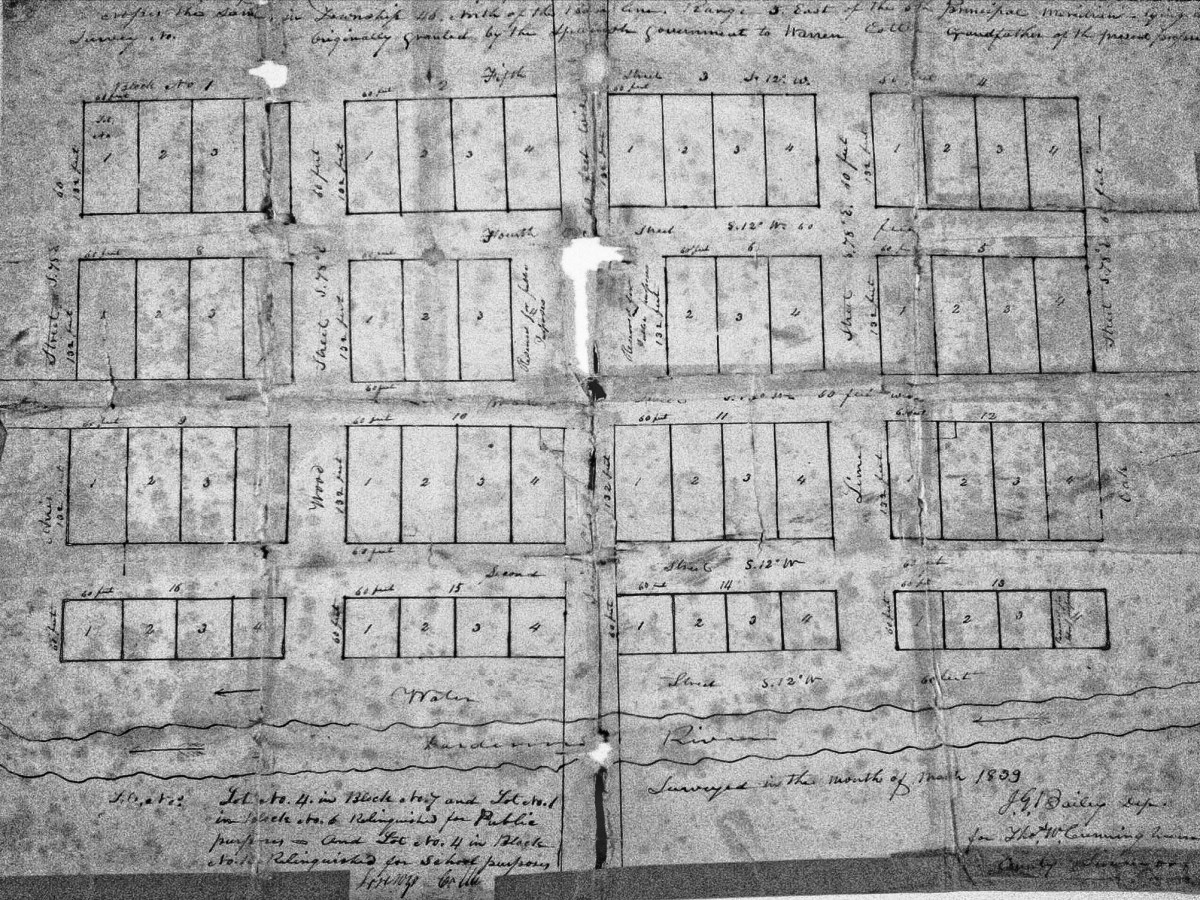
Germans helped create the road
The Boone’s Lick Road as it winds its way through St. Charles County, was used by early immigrants as well, that were settling in Missouri. Today there are still many sites to be seen that are still standing…
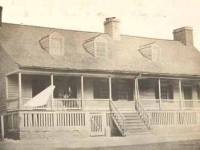
Where the Road began
It would be James Morrison who would open the Trading Post on Main Street in 1804 that would sell the product of his salt lick in what is later called “the Boonslick” in Howard County.
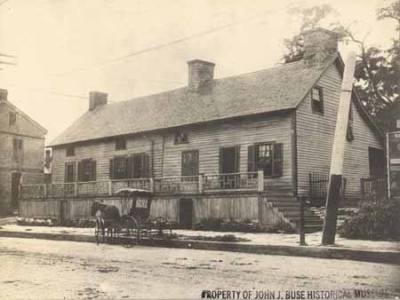
How a trail became a road
The dispute over the control of what had been the native Americans, presided over the residents’ lives for several years, with several homes turned into fortresses, along the Boone’s Lick trail. This in turn established what had once been only a trace, into an actual road, by the end of the hostilities in 1815.
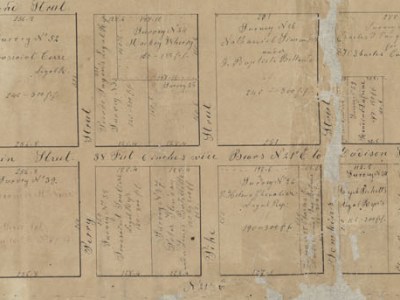
Old Maps
Historical research using maps, is one of my favorite techniques. Here’s what an long lost 1817 map told me, about the Boone’s Lick Road…
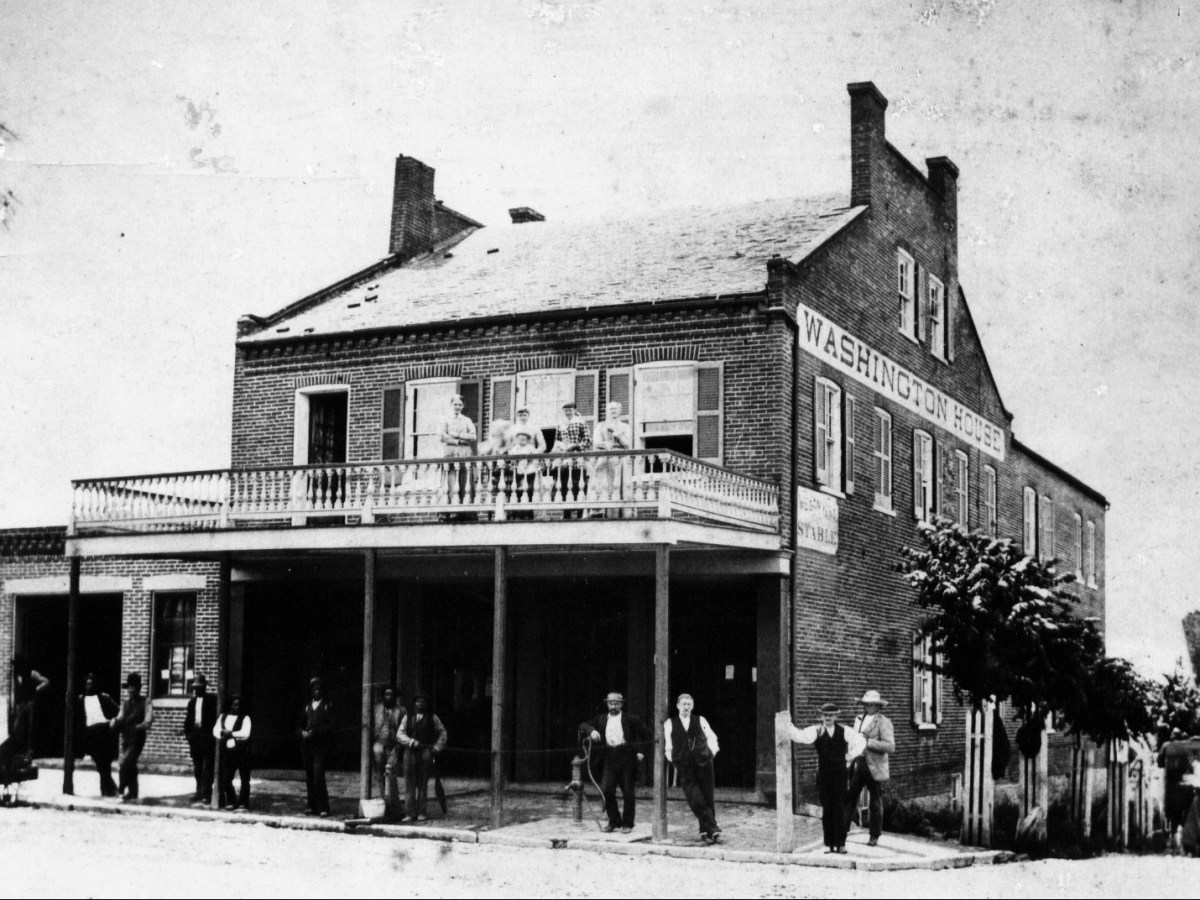
Researching the history of a place
Check back to this site and learn more research methods that I will be posting periodically….
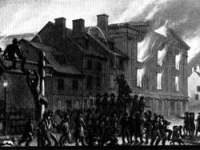
Elijah Lovejoy
as long as I am an American citizen, and as long as American blood runs in these veins, I shall hold myself at liberty to speak, to write, and to publish, whatever I please on any subject, being amenable to the laws of my country for the same.
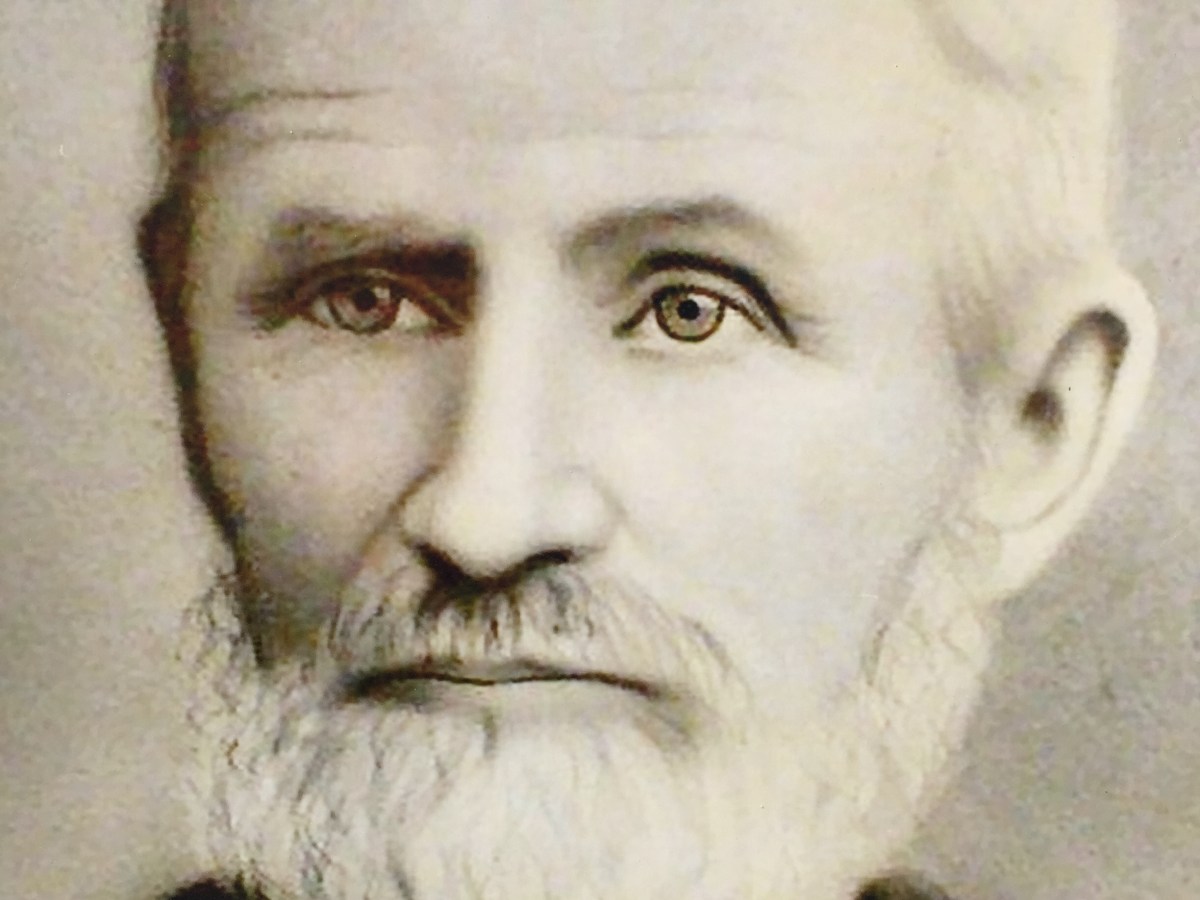
Coming to America
In the decade of the 1830s alone over 120,000 Germans immigrated to America, and one-third of those settled in Missouri. Those are the emigrants that made it. Thousands would not survive the journey at sea or the difficult overland trek westward. Nicholas Krekel: “In the fall of the year 1832 we sailed from Bremen. It…

War of 1812
Two hundred years ago, those living here in the Saint Charles District of the Territory of Louisiana, did not know that our young United States had just officially gone to war for the very first time. Without today’s internet, blogs and tweets, they were totally unaware that the House of Representatives had hotly debated the…

Edwards Family
Four generations, left to right: Mishey Edwards, Mrs. Mary Stephenson, Dorothy Edwards. Mary Stephenson is holding her oldest child, Margaret, and the little boy in front is Albert, her sister’s son. Photo from the O’Fallon Missouri Historical Society – Mary Stephenson Collection.

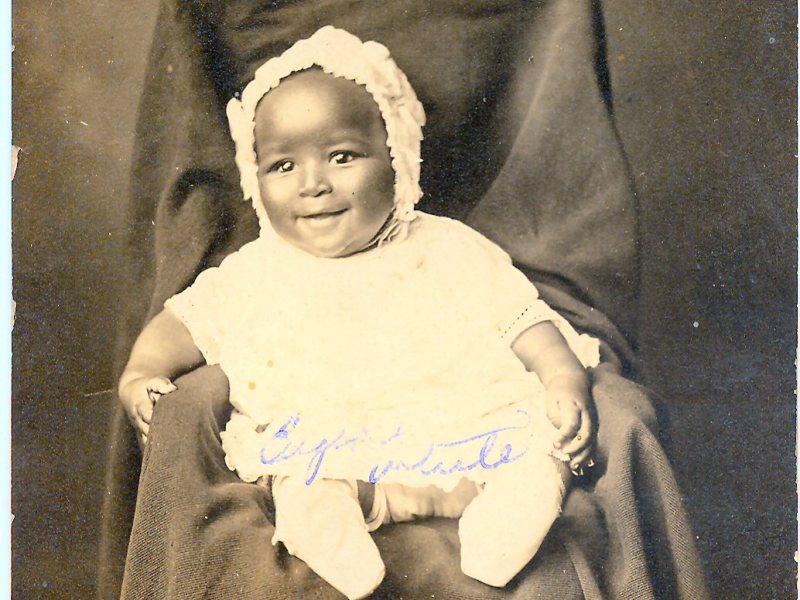
The White Family at Sage Chapel
These are members of the Simon White family that are buried at Sage Chapel Cemetery in O’Fallon Missouri.

The Abington family
Many of the families had relatives all over St. Charles County and were members of the various AME churches…the Abington family can be found at Sage, Grant and Smith Chapel Cemeteries….

The people on the hill
on his land was a road that led from his plantation house up into town to the Railroad tracks, just east of the station. On that road, his enslaved had lived for generations, which was how it had earned its name. The 1930 Census taker would refer to it as …..

Sage Chapel A.M.E. Church
Members of the St. Charles African American community met with members of the African Methodist Episcopal Conference in St. Louis Conference on October 18, 1865, and subsequently founded the St. Charles Conference, which included the St. John’s AME in St. Charles, then Sage Chapel on what is today’s Sonderen, then Grant Chapel AME in Wentzville…
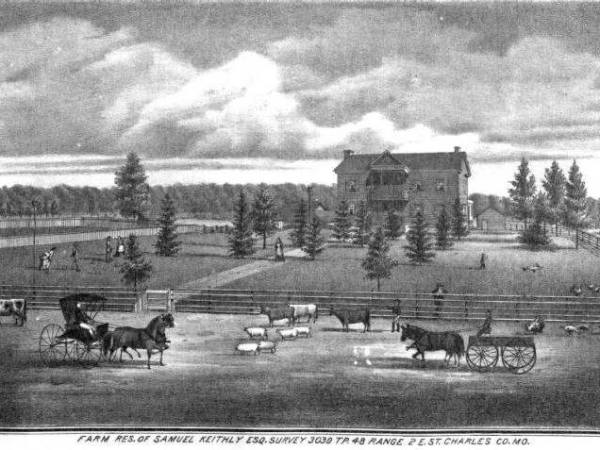
How Sage Chapel Cemetery began…
Keithly was one of the largest slave owners in St. Charles County according to the U.S. Slave Schedules of 1850 and 1860. Among those who he enslaved were John Rafferty and his sisters Ludy, Elsie and Lizzie according to Mary Stephenson.
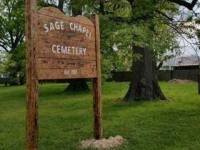
Sage Chapel Cemetery Revisited
Let’s revisit the history of Sage Chapel Cemetery as told by the families that are buried there…
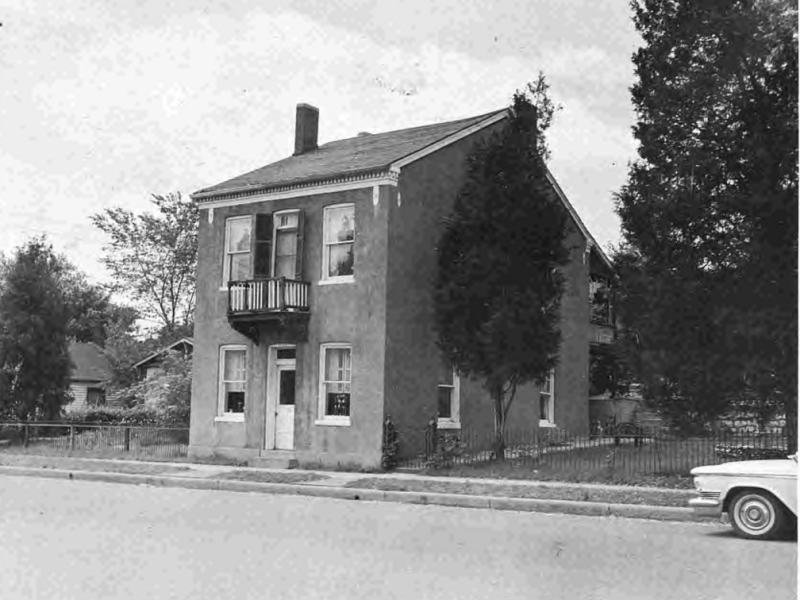
Early French home later used in Civil War
Gregorie Kircereau who was a nephew of St. Charles’ second Commandant Carlos Tayon built this house but it was later used as a headquarters by the Provost Marshall during the Civil War.
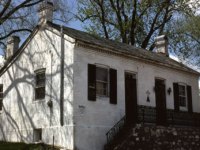
The Commandant and his Church
More stories of early St. Charles…the home of Presbyterian Minister Timothy Flint, whose honored guest was once the famous author Washington Irving who would share the setting of this visit in his several of his books… Read More
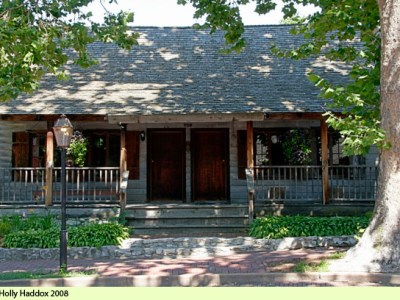
The French House
This early building on Block 25 was said to be built by a Frenchman born in Quebec Toussaint Hyancinthe Cerre (Serre) and so it is referred to as “the French House”. Cerre was related to the families of Chouteau and Soulard in St. Louis.
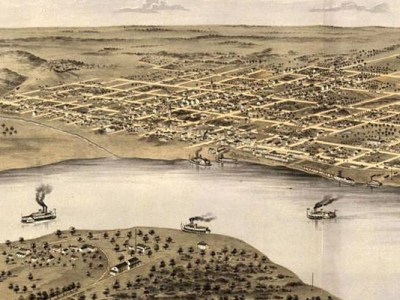
Louis Blanchette and his “les Petite Côtes”
Here is more about Louis Blanchette (sometimes found as Blanchett) and the earliest settlement north of the Missouri River known as Saint Charles, originally known and often referred to as Les Petite Côtes or The Little Hills. Today, Block 20 where Blanchette lived according to an original plat of Saint Charles, is the 900 block…
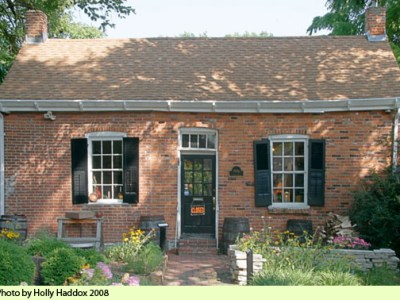
Blanchette’s house…
Circa 1793 – The site of the home of the City of Saint Charles’ founder Louis Blanchette who settled here with his wife and children in 1769. Soon after he was appointed Commandant by the Spanish he built three buildings along the small stream nearby. 906 S. Main (still standing)
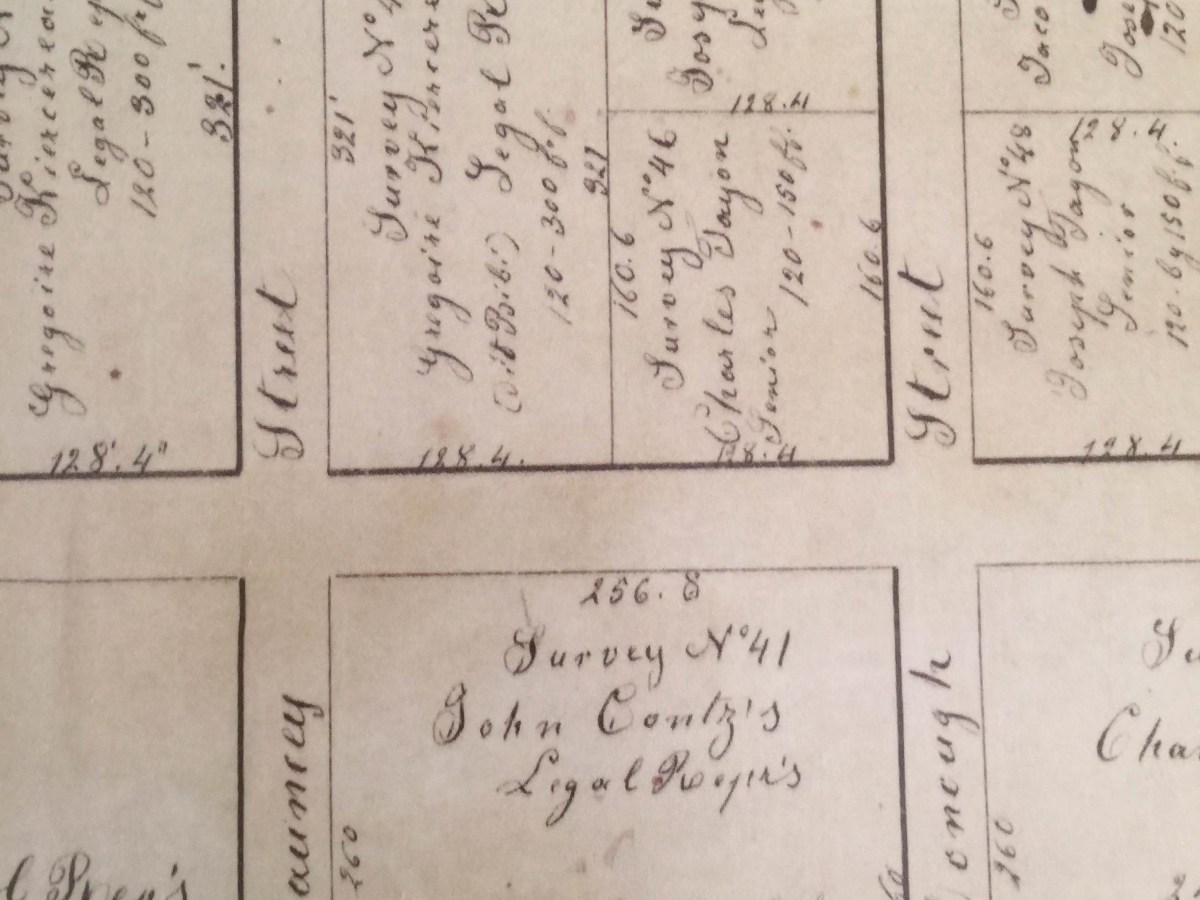
Original Plat of Saint Charles
Everyone loves old maps. They do a lot more than give directions. Historic maps can share what a place looked like at a certain point in time and transport us back to another era. This is the story of a map that takes people back in time, to the City of St. Charles historic past,…
The Boone’s Lick Road
The first roads were simply animal traces that the indigenous people followed. These developed as the population grew into trails, and then into roads that could be maintained…
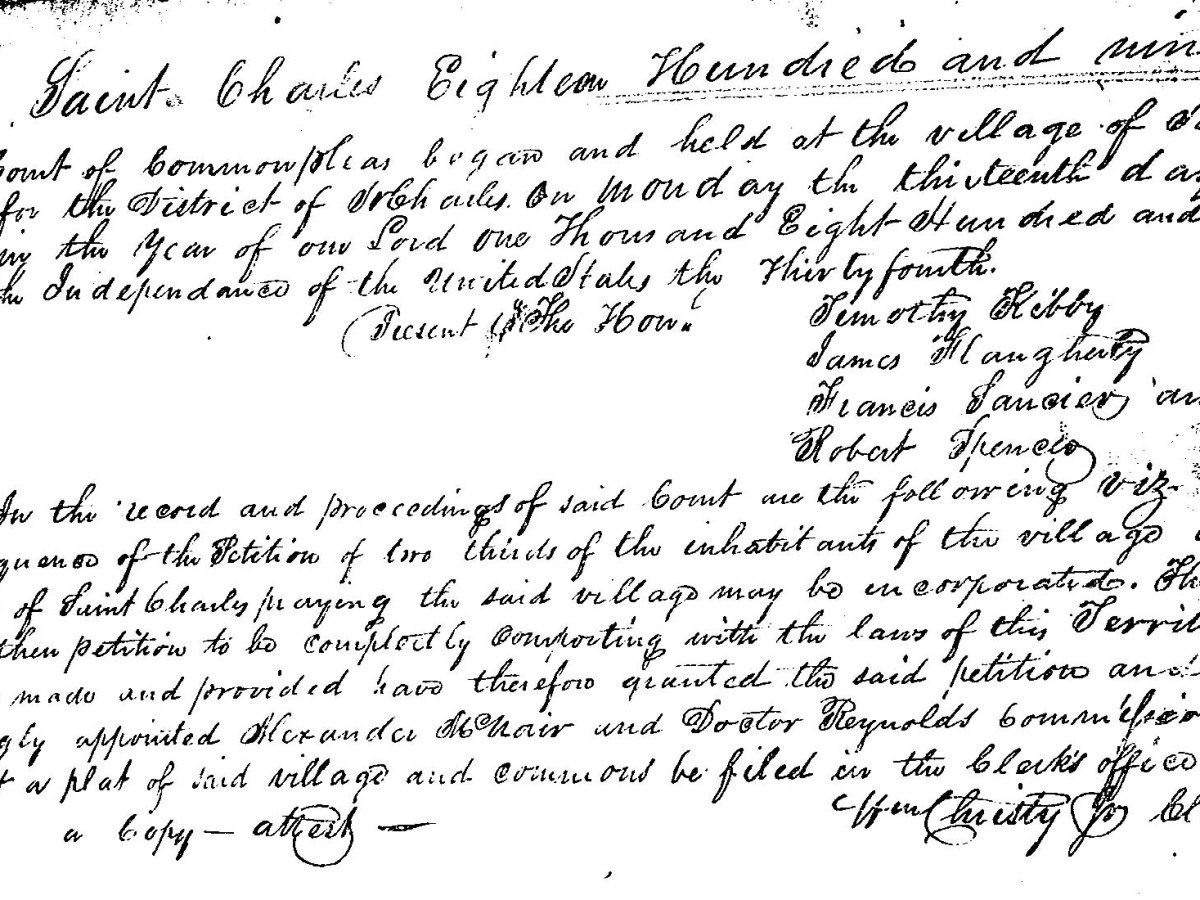
Establishing the birth of a City
When does a city become a city? Even though Saint Charles was incorporated in 1809, it was here for many years before that!
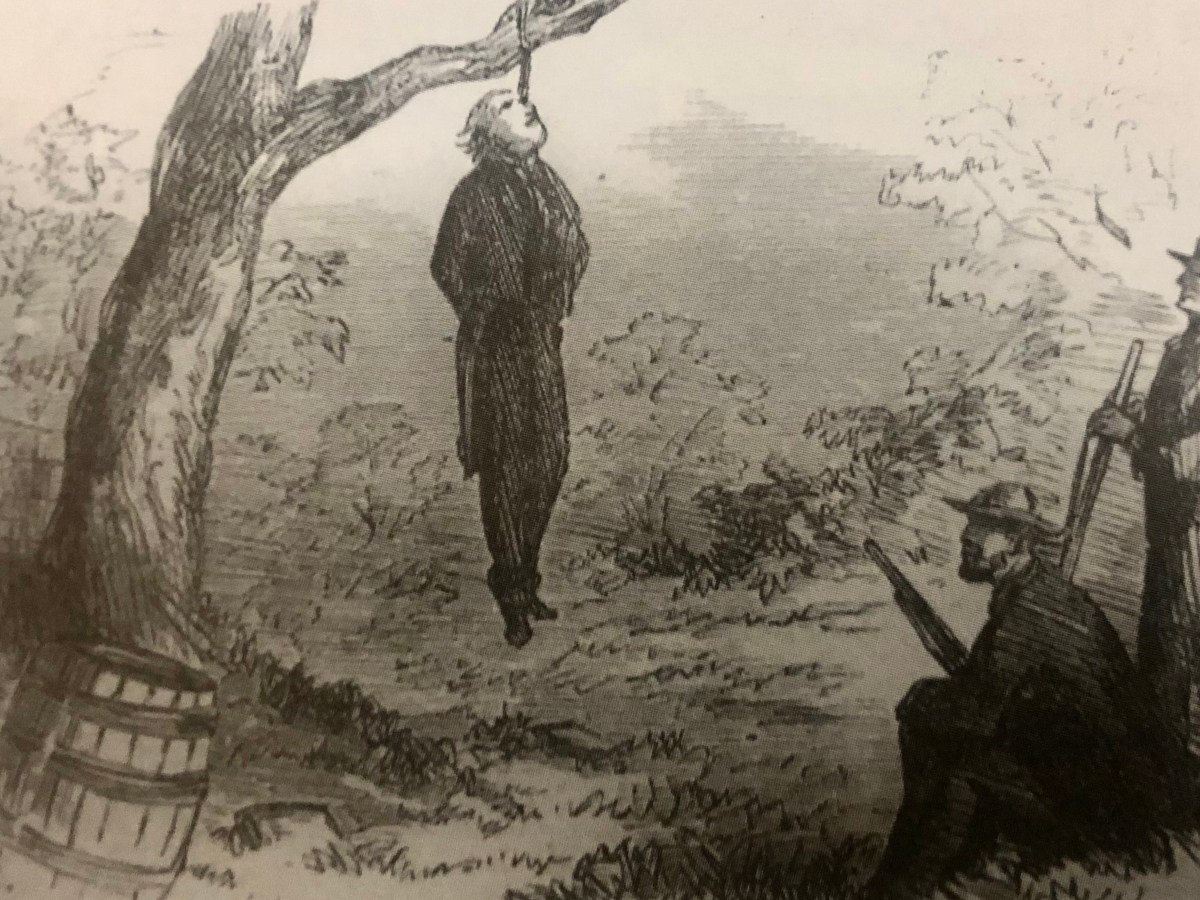
The Hanging of Reverend White
In 1838, Samuel Audrain emancipated his enslaved man named Absalom White, a preacher and an abolitionist …
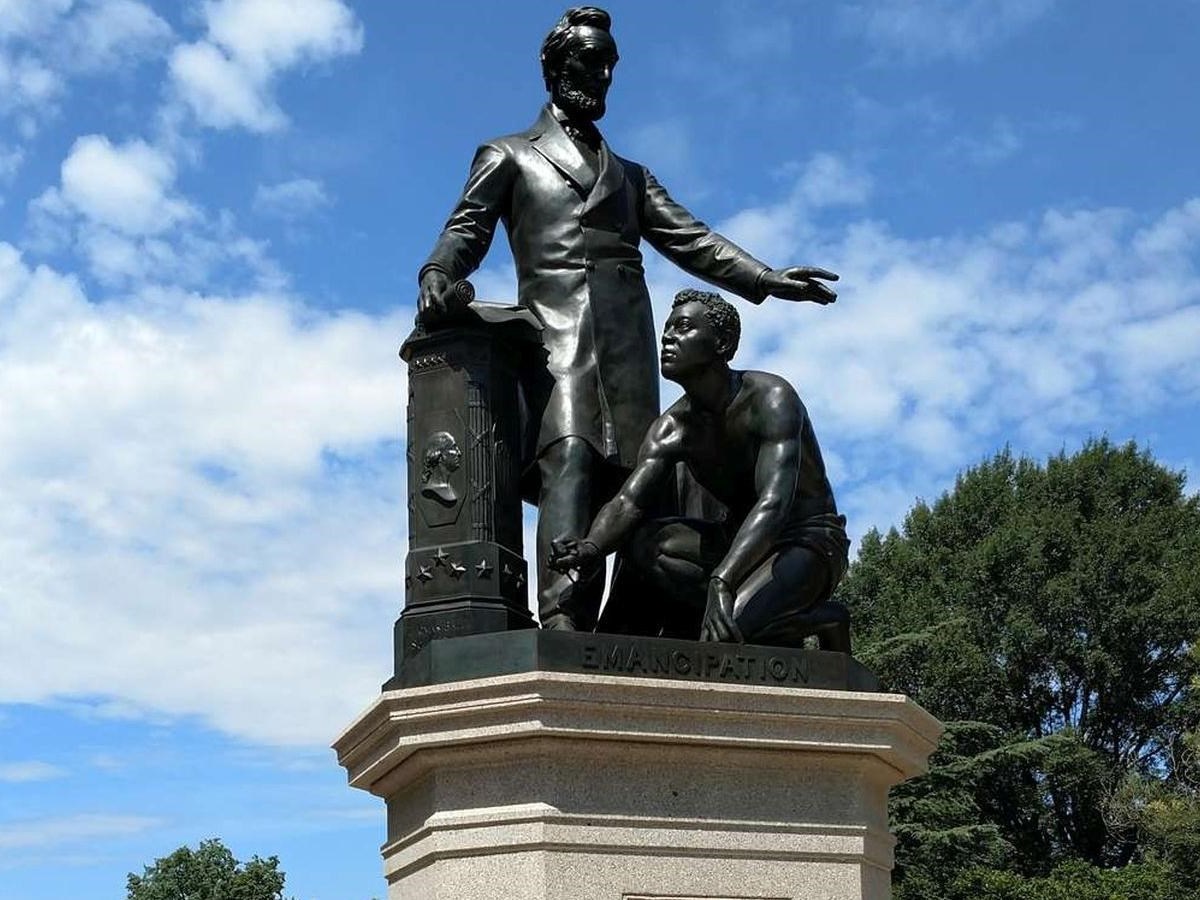
JUNETEENTH
Sadly, it would not be until that following June 19th, that the U.S. Military would arrive in Texas and those that had been freed there were even told of what Lincoln had done! Today we celebrate that day as JUNETEENTH.

The Underground Railroad
That’s when he overheard a meeting of the area’s Confederates planning an attack on the wooden trestle, the Peruque Bridge as it spanned a huge gorge, where the creek ran through the bottom of it. The Union forces had built a stockade fort just to the west to guard it from just such attacks. Read…
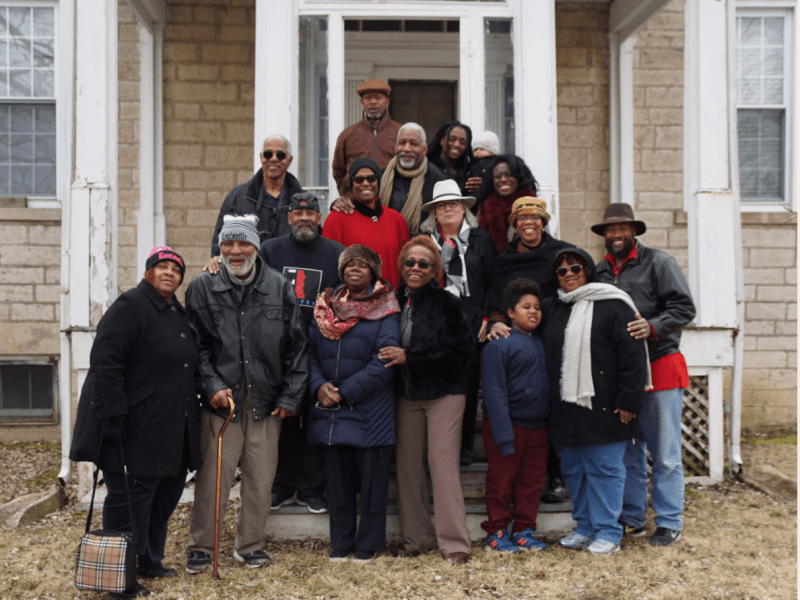
The Alexander house in Dardenne Prairie
By 1834, the house would be complete, and James Alexander became the area’s Postmaster of what he named Stockland. The area was growing rapidly and being located directly on the Boone’s Lick Road was of great advantage. Read the entire story…
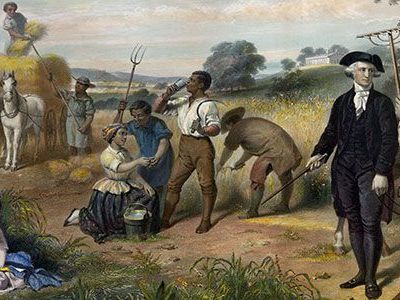
From Virginia to Missouri
This story is just one of the hundreds of settlers that came from Virginia to Missouri…
Benjamin Oglesby
After Freedom seeker Benjamin Oglesby served in the 56th U.S. Colored Troops during the Civil War, he returned home…
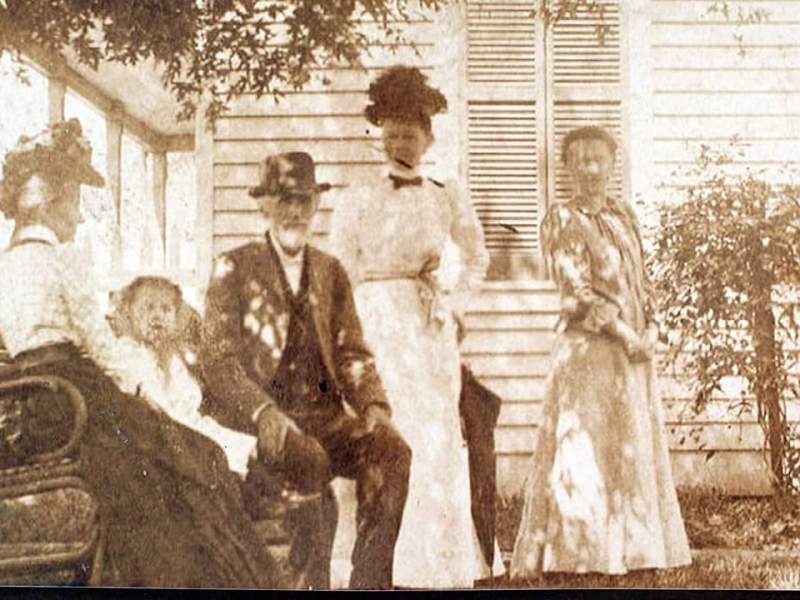
An O’Fallon Family Scrapbook
This is from a book of newspaper clippings kept by the Krekel family. Bertha must have been quite the historian, as she took it upon herself to freely editorialize facts published by Miss Keithly, and are what are shared in this story. Otherwise, it is exactly the way it was published in June of 1912,…

The Osage in Saint Charles
When French Canadian Louis Blanchette (1739-1793), founder of the City of Saint Charles, arrived in 1769, his only neighbors were the American Indians. The Sauk, Fox, Pottowatomie and Osage were the predominant tribes, using the Mississippi and Missouri Rivers for passage, to trade furs with the settlers in St. Louis… Read more

O’Fallon, Missouri
The City of O’Fallon, Missouri was officially founded as O’Fallon Station by two German brothers Arnold and Nicholas Krekel. Arnold had purchased and platted the land, but Nicholas was the only one that ever lived in O’Fallon. Read more…
Sage Chapel Cemetery
Sage Chapel Cemetery is a small one acre graveyard which lies next to O’Fallon’s Veterans of Foreign Wars Post 5077 at 8500 Veterans Memorial Parkway in O’Fallon, Missouri.
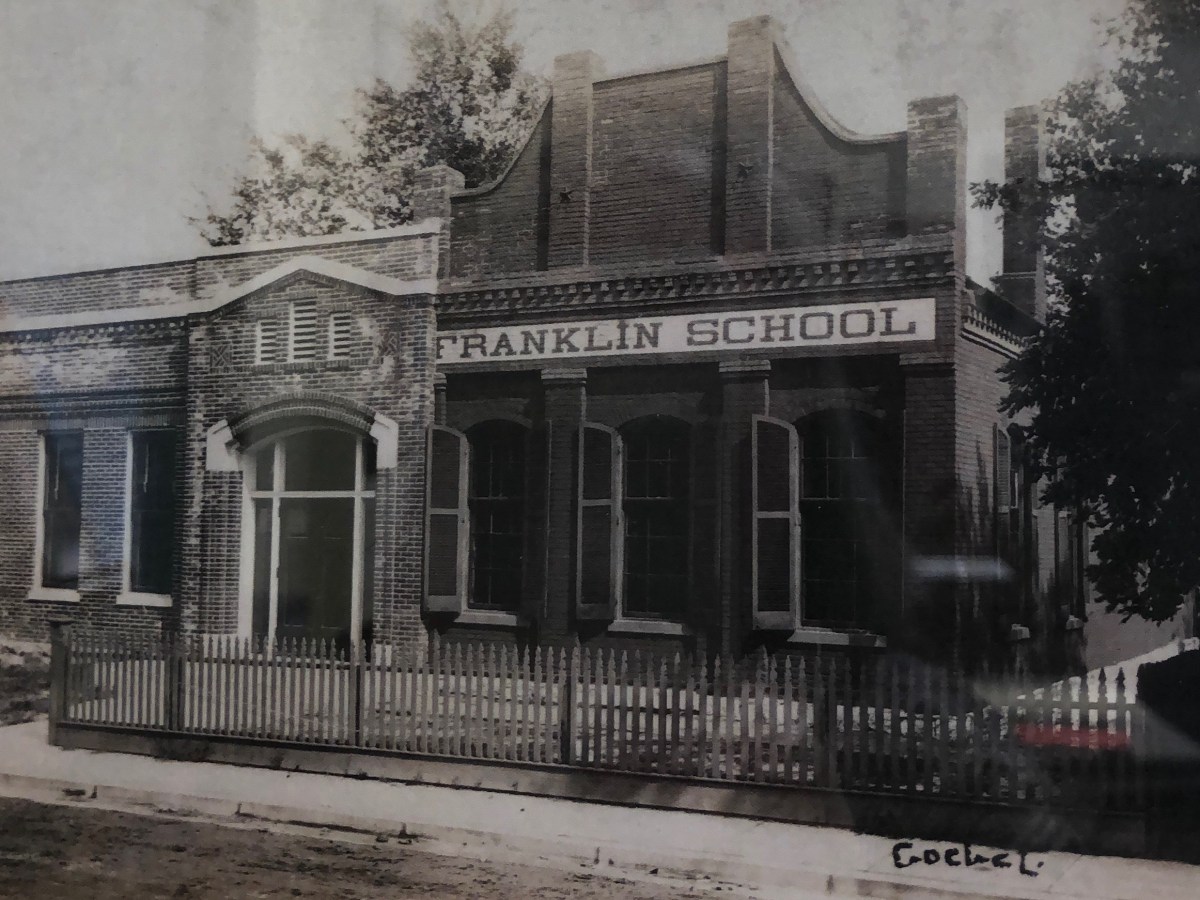
Franklin School
For over half of a century, this was the only African American High School available in St. Charles County. Student came from as far as Wentzville. This is a very special place that needs to be understood, recalled, and preserved.
William Eckert
William Eckert is one of St. Charles’ most interesting charachters! His story gives us interesting insight into some of the City’s most intriguing history… Read more
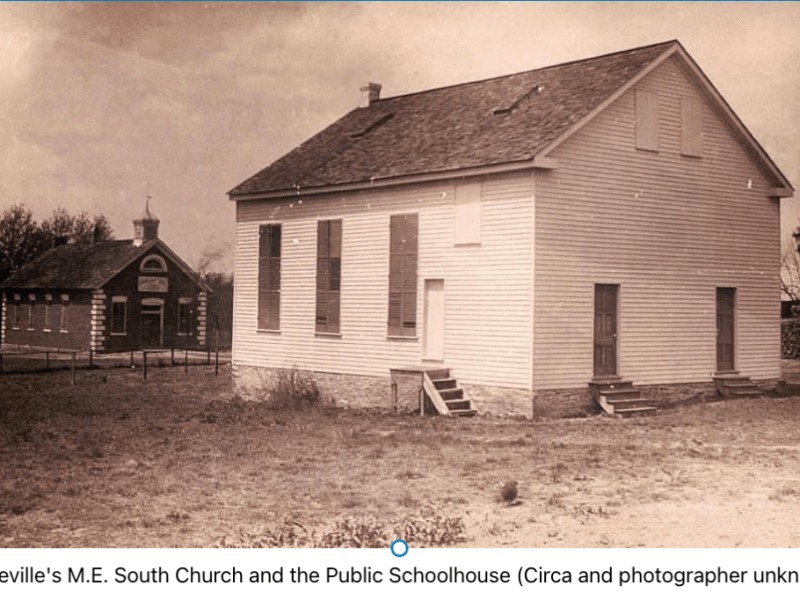
Cottleville Methodist Church
The Methodist religion had come to Missouri with the preachings of John Clark in 1816… Read more
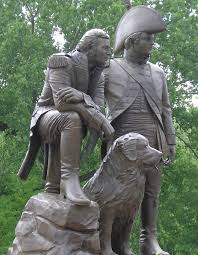
The Lewis and Clark Expedition
The Corps would await Meriwether Lewis who was in St. Louis attending to some business. Everyone would enjoy themselves for one last time with the village, waiting for the expedition to begin. St. Charles Missouri is celebrating its 250th birthday in 2019. In St. Charles visit the Lewis and Clark Boathouse for an excellent museum…
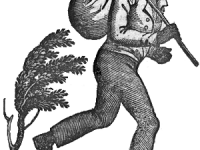
A run away named Sam
On the 22nd of August in 1819, an enslaved man named Sam, who was about 36 years old, ran away from his enslaver, Daniel Morgan Boone, son of the famous trailblazer Daniel Boone. Daniel Morgan quickly advertised that a reward of $100 would be given if Sam was secured in any jail, out of the…
May 27, 1815
This is the earliest reference to the Cottle family I’ve found, and it tells the story of what history books refer to as the battle of the Sink Hole….

Giessen Emigration Society from Germany
So much of the origins of the German American heritage of St. Charles County is found in the story of the Giessen Emigration Society that arrived in 1834…
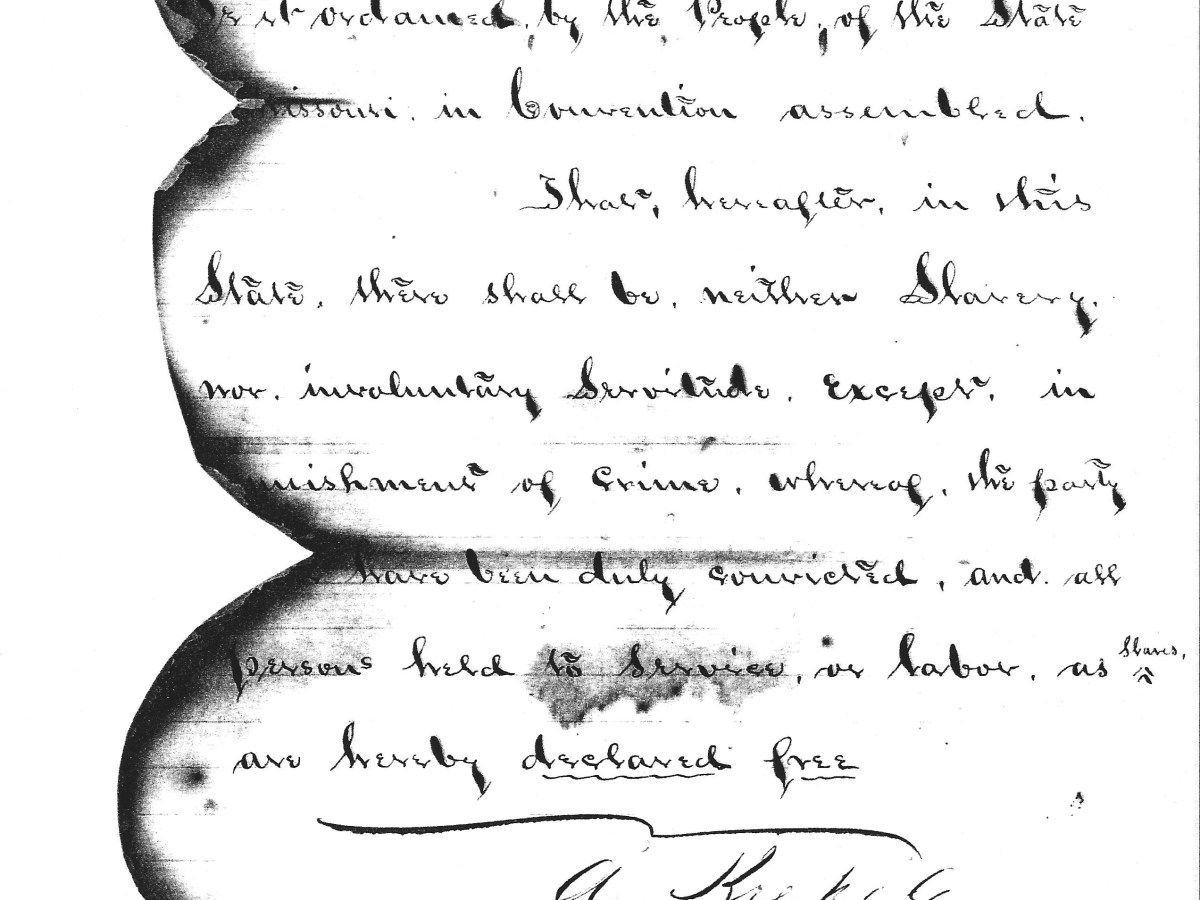
Arnold Krekel
The Krekel family were one of the earliest German families to immigrate to St. Charles County…
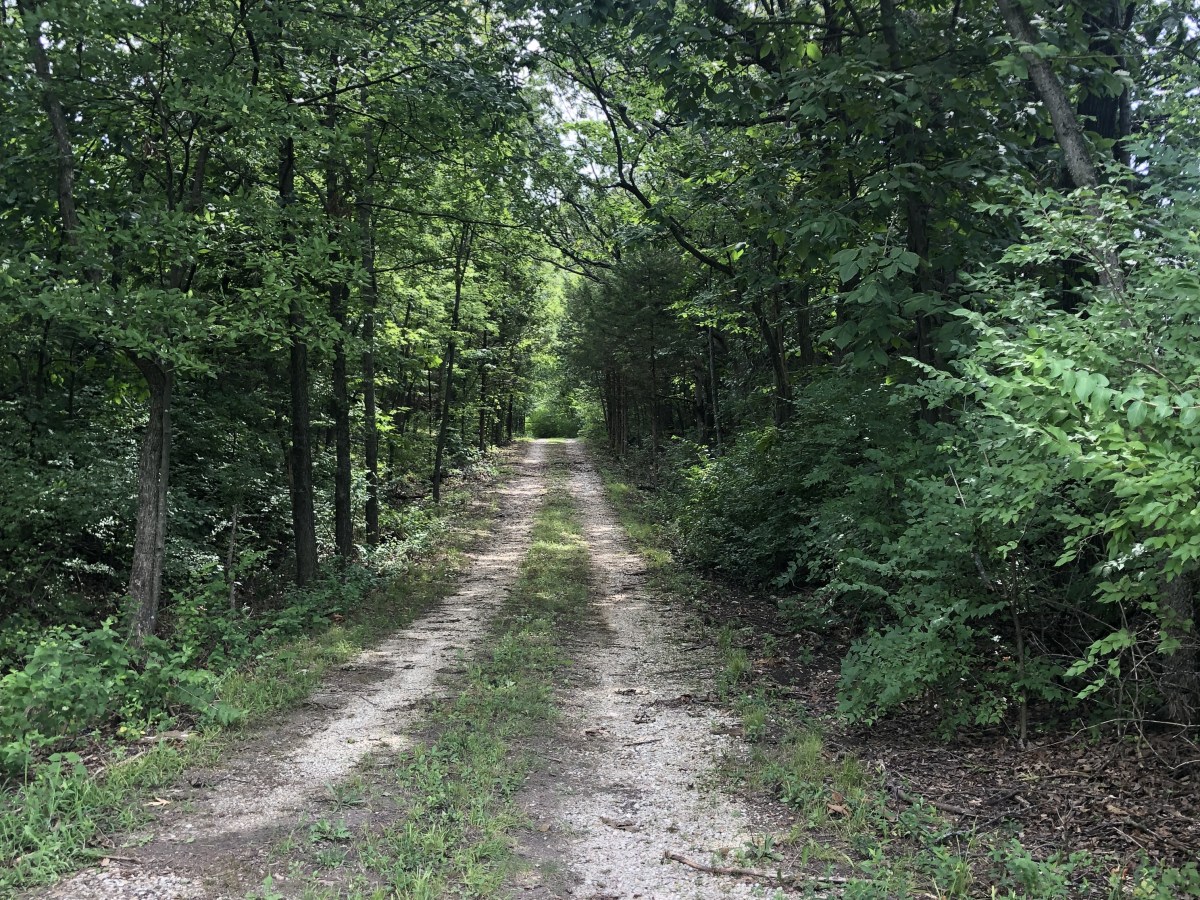
Smith Chapel Cemetery at Snow Hill
Smith Chapel Cemetery, was begun by freedom seekers who had used the Underground Railroad…
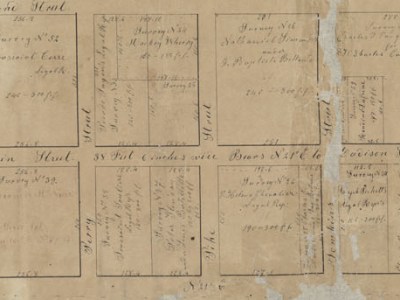
St. Charles County History
If you are visiting St. Charles, the buildings that line it have intriguing history that share the stories of St. Charles back to when it was officially incorporated in 1809. Here are the histories of all of them…Read more
 ST. CHARLES COUNTY HISTORY
You must be logged in to post a comment.